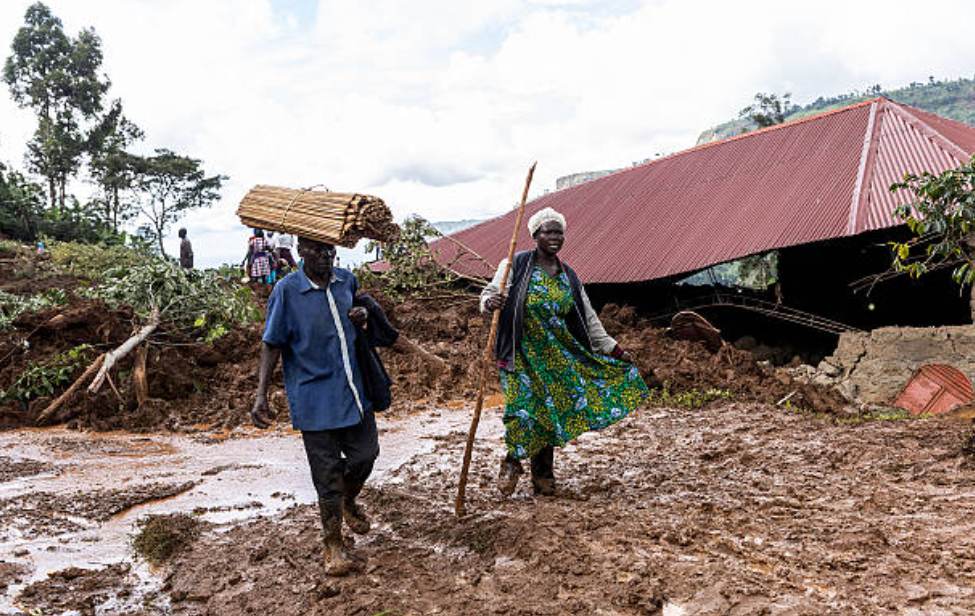
KAMPALA – Communities on vulnerable steep slopes have been placed on high alert, with some advised to temporarily relocate to safer lowlands, as steady rains are expected across most parts of the country.
Thank you for reading this post, don't forget to subscribe!The alert was issued in the ten-day agro-meteorological bulletin for the first dekad of October 2026, a weather forecast update from the Department of Meteorological Services (DMS) released on Friday last week.
According to the bulletin, which covers the period from 1st to 10th October 2026, most areas of the country are expected to continue receiving steady to occasional rains during the forecast period, while Karamoja remains mostly dry.
The forecast indicates that relatively wetter conditions will prevail in the western sector, stretching from the south-western Kigezi sub-region up to Bunyoro, as well as western areas of the Central sub-region, West Nile, and the upper belt of the Elgon sub-region.
Moderate rains are expected over the central cattle corridor districts, western, northern and north-eastern areas of Lake Victoria, central areas of Acholi and Lango sub-regions, Bunyoro, Mount Rwenzori, Ankole, Southern Central, Western Lake Victoria, and the Mount Elgon highlands.
The Karamoja sub-region has a higher likelihood of experiencing light isolated rains to no rain at all, with mostly sunny and dry conditions expected throughout the forecast period.
Mean maximum temperatures are expected to range from 30°C to 38°C across most parts of the country, with the northern, eastern, and rift valley areas of Kasese and Ntoroko forecast to experience the highest temperatures of 34°C to 38°C.
The DMS has warned that enhanced and steady rainfall across the western sector presents both positive opportunities and potential risks, including flooding, landslides, transport disruption, and infrastructure damage.
The bulletin has also warned of contamination of unprotected water sources from surface runoff, potentially causing outbreaks of cholera, dysentery, and typhoid, plus increased malaria transmission from stagnant water.
The Department of Meteorological Services has advised farmers and livestock keepers to plant timely using suitable crop varieties, provide dry shelters for animals, and dig drainage channels to prevent waterlogging.
Communities were urged to monitor and report crop pests, animal parasites, and plant diseases to authorities, while people living on vulnerable steep slopes were urged to relocate to safer lowlands or host families if soil cracks appear.
The Department of Meteorological Services further urged urban authorities to clear silt and garbage from drainage channels, open storm drains, and cover open manholes to prevent drowning.
The public is encouraged to boil or treat drinking water, maintain household hygiene, clear bushes and stagnant water to reduce mosquito breeding, and avoid seeking shelter under isolated trees or structures without lightning arresters during thunderstorms.
The Department of Meteorological Services has pledged to monitor weather patterns and issue updates as necessary, urging communities to stay informed and take proactive measures to safeguard their health, property, and livelihoods.
About the Author