KAMPALA, UGANDA – The Ministry of Water and Environment has called for heightened vigilance and temporary relocation for high-risk communities on landslide-prone slopes, as the country braces for peak rains in April.
Thank you for reading this post, don't forget to subscribe!The advisory follows a rainfall forecast from the Ministry’s Department of Meteorological Services (DMS), which indicated that April typically marks the peak of the March–May (MAM) rainfall season across the country.
However, forecasters note a temporary relaxation in rainfall activity during the second and third weeks of April, particularly over northern and eastern Uganda.
The forecast reveals that the heavy rains are driven by several weather systems, including the positioning of the sun directly over the equator and the Inter-Tropical Convergence Zone.
The Western, mid-Northern, Mount Elgon, and parts of West Nile regions are expected to receive the heaviest rains. Other areas will see increased rainfall during the last ten days of April.
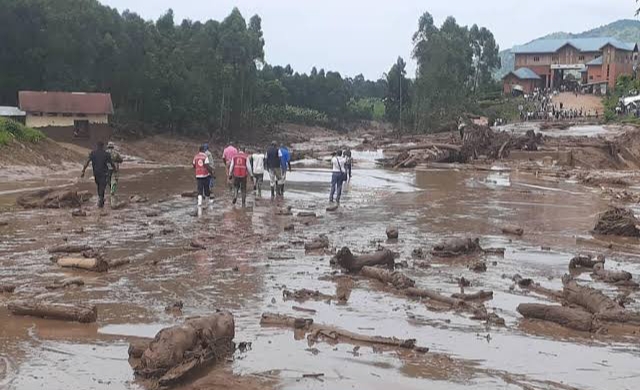
The ministry has since indicated that the peak rains bring serious risks, including flash floods and urban flooding in low-lying areas like Kampala, plus landslides and mudslides in mountainous regions such as Elgon and Kigezi.
Other expected dangers are disruption of transport due to damaged roads, waterlogging of crops and homes, and outbreaks of malaria and cholera from stagnant water.
The Ministry advises farmers to plant early where rains have started, ensuring proper drainage in gardens, and to avoid planting in flood-prone wetlands.
Urban residents were urged to clear trenches around homes, avoid dumping waste in drainage systems, and be careful during heavy evening downpours.
People in high-risk areas should remain vigilant if they live on landslide-prone slopes and consider temporary relocation if they notice cracks or soil movement.
Temperatures across the country will be mostly average during April, with maximum temperatures ranging from 20°C to 32°C in the hottest areas of West Nile, the North, and the East, while minimum temperatures will range from 14°C to 24°C.
Highland areas like Rwenzori and Elgon may drop below 12°C, as the Ministry of Water and Environment continues to monitor the weather and provide early warnings to ensure economic resilience and community well-being.
About the Author