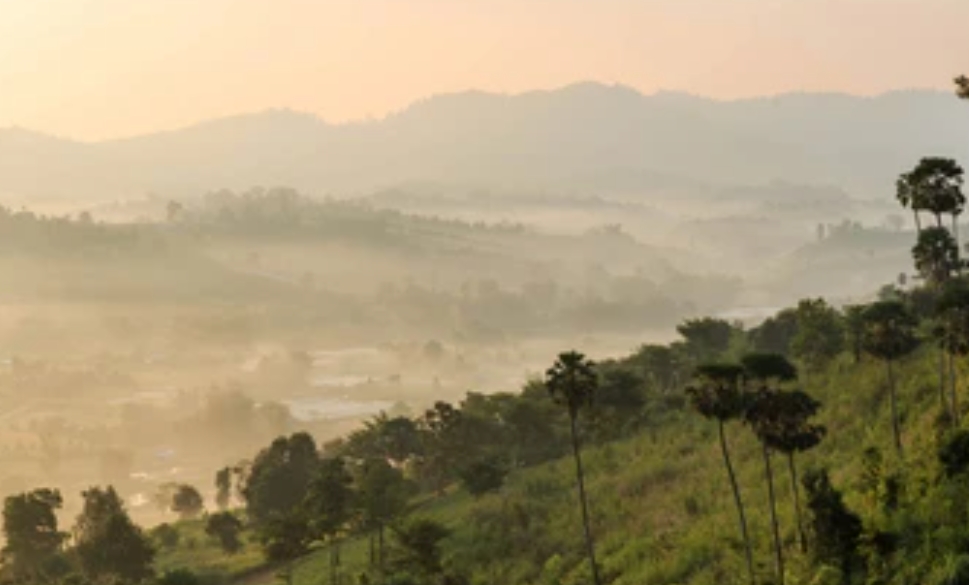
KAMPALA – The latest weather forecast has indicated that wet conditions will persist over northern, eastern, and central Uganda, while southwestern and Lake Victoria regions are likely to see a reduction in rainfall.
Thank you for reading this post, don't forget to subscribe!The development was confirmed in the weather forecast outlook dated May 10th, 2026, for the 2nd dekad of May 2026 (11th to 20th May), released by the Department of Meteorological Services (DMS).
The latest weather outlook indicates that north-eastern Uganda, including the Karamoja sub-region, is likely to receive exceptional rainfall during this period. However, some areas in the southwestern region and around Lake Victoria may experience a reduction in rainfall.
According to DMS experts, the current weather is being influenced by the Inter-Tropical Convergence Zone over Uganda and the Congo Air Mass pushing moisture toward the north.
Local features like Lake Victoria and the Rwenzori and Elgon mountains are enhancing rain in surrounding areas, while the Madden-Julian Oscillation may slightly reduce rain over western and southern parts.
The hottest areas, including West Nile, northern Uganda, parts of the east, and Karamoja, will see temperatures ranging from 28°C to 32°C, while western, central, and other parts of the east will experience moderate temperatures of 26°C to 28°C.
The highland areas such as Kigezi, Rwenzori, and Elgon will record much cooler nights, with temperatures dropping below 10°C during the forecast period.
According to the department, heavy rains in eastern and northern Uganda may cause flooding, waterlogging, landslides, contaminated water sources, lightning strikes, and road traffic disruptions.
The rains are expected to support good crop and pasture growth; thus, farmers are advised to prune tree crops and dig drainage channels in low-lying areas, while those in western and southern regions should practice mulching and water conservation.
Communities in low-lying and mountainous areas are advised to watch for floods and landslides, while urban authorities should clear blocked drainage channels to prevent road flooding.
People are encouraged to avoid unnecessary pesticides and herbicides, plant trees to reduce hailstorm damage, promote safe drinking water, and set up rainwater harvesting tanks for drier days.
About the Author