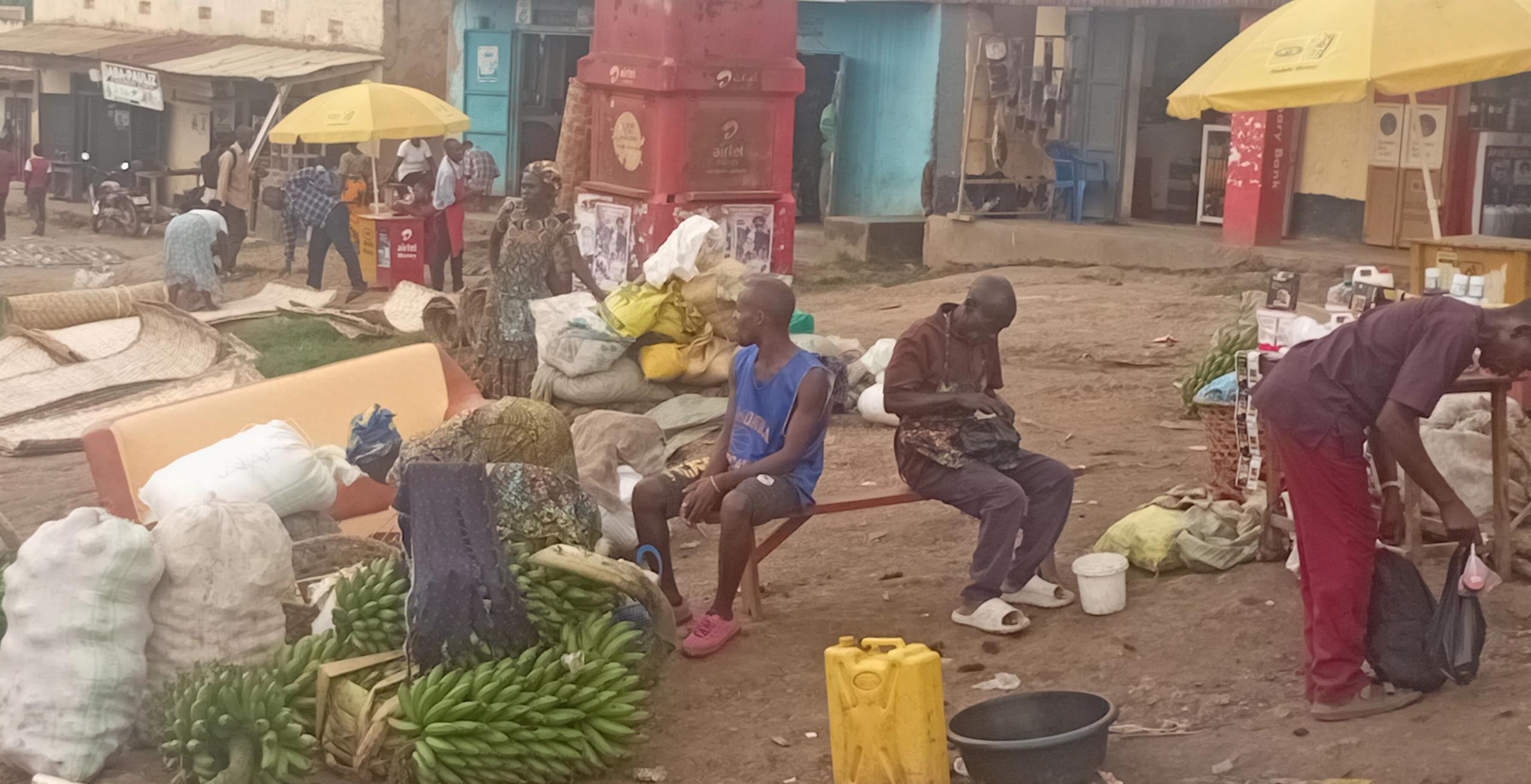
RUBIRIZI, UGANDA – Traders’ leaders in Rubirizi District have warned that implementing the government’s trade policy without proper preparation and alternative trading sites could trigger a rise in domestic violence, hunger, and HIV infections.
Thank you for reading this post, don't forget to subscribe!The warning was issued as the district authorities prepare to implement the government’s trade order, aimed at decongesting the growing urban center and restoring business order.
During an exclusive interview with this reporter, the Chairperson of Katerera Vendors’ Association, Arinitwe Vincent, acknowledged the government’s intent but stressed that enforcing the ban without public guidance would be catastrophic for the community.
He urged the government to provide sustainable alternative relocation plans to street vendors before enforcing the law, warning that stripping them of their incomes overnight without a safety net could force many into crime to survive.
The Chairperson issued sharp criticism toward Parliament for passing the law, arguing that legislators did not fully consider its impact on household livelihoods.
He called on local leaders to revisit the regulations, warning that harsh, uncompromising measures could turn desperate vendors into social outcasts or push them further into the criminal underworld.
“Enforcing this policy without proper guidance and alternative relocation plans will be catastrophic. This law was passed without considering household livelihoods, stripping vendors of their incomes. But an overnight ban with no safety net will push many into the criminal underworld. Most of us rely entirely on street sales to pay school fees and feed our families,” warned Vincent.
Vincent warned of a looming financial crisis, noting that many vendors who took loans from banks and the government’s PDM funds will face insurmountable repayment challenges if left without proper guidance.
He advocated for patience, support, and a deeper understanding of vendors’ roles in their families, warning that if the government fails to assist them during the transition, the consequences could be severe for everyone.
The government, through the Ministry of Local Government, directed implementation of the trade order policy, urging local authorities to enforce licensing laws and remove illegal trading from public spaces.
The government’s trade order is aimed at decongesting urban centers and restoring business order. The move is expected to improve public safety, hygiene, and infrastructure preservation.
The new enforcement measures include clearing streets and walkways of traders obstructing mobility, requiring all vendors to operate from licensed areas, and banning taxi operators from using illegal roadside stages while mandating the use of designated parks.
About the Author