KAMPALA, UGANDA – Prime Minister Rt. Hon. Robinah Nabbanja has issued a stark warning that the healthcare system alone is responsible for only a fraction of the nation’s health outcomes, urging a multi-sectoral approach to bridge deep-seated inequities.
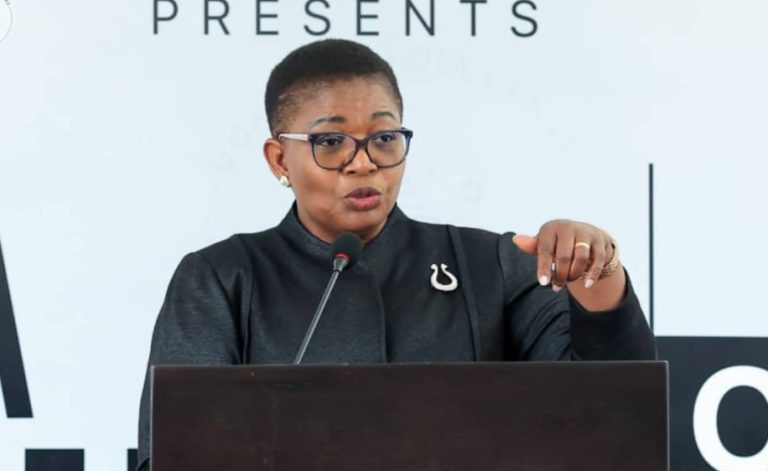
Thank you for reading this post, don't forget to subscribe!The Prime Minister was addressing participants at the 2nd Uganda National Conference on Health, Human Rights and Development, hosted by the Ministry of Health and the Center for Health, Human Rights and Development (CEHURD).
The conference, which coincided with CEHURD’s 15th-anniversary celebrations, was held under the theme “The Right to Health: Bridging gaps across sectors to achieve equitable health for all.”
In her address, Prime Minister Nabbanja cited pressing health concerns, noting high adolescent pregnancy rates, elevated maternal mortality, and a rise in non-communicable diseases like hypertension and cancer.
“It is frustrating that one in four girls aged 15–19 is already pregnant or a mother, maternal mortality is still above target, and non-communicable diseases like hypertension and cancer are on the rise,” Nabbanja stated.
Citing World Health Organization data, she delivered a crucial reminder that health systems determine only 20% of health outcomes, while the remaining 80% is shaped by social determinants like education, income, housing, nutrition, and environmental factors.
The conference also highlighted Uganda’s sickle cell disease crisis, with shocking statistics showing approximately 20,000 babies are born with the disease annually and face a 75% mortality rate before age five.
Martina Nalunkuma of Mortal Crescents attributed these deaths to missed diagnoses and low care awareness, stating that early detection and health literacy are vital since the disease causes rigid cells that block blood flow, leading to severe pain and organ damage.
She championed practical, life-saving measures including maintaining hydration, seeking timely medical intervention, and providing consistent emotional support for these resilient children, whom she referred to as “young warriors” in their daily battle against the disease.
Hon. Safia Nalule Jjuuko of the Equal Opportunities Commission emphasized that affordability and accessibility remain key barriers for persons with disabilities, urging a shift from working for to working with them in health development efforts.
This sentiment was reinforced by litigation successes shared by CEHURD. Ms. Ruth Ajalo, Head of Strategic Litigation at the organization, cited a landmark court ruling that pronounced the detention of patients over unpaid bills a violation of human rights.
“From this, we realize that social determinants are around us and with us. We just need to understand them and how they impact our health outcomes,” Ajalo said.
Public health analyst Nakato Martha Clara argued that economic inequality hinders true justice in healthcare and called for empowering youth and vulnerable populations through improved data systems, economic support, and the elimination of stigma.
The conference culminated in CEHURD’s 15th-anniversary gala dinner under the theme “Social Justice in Health: Honouring the Past 15 Years and Shaping the Future.”
The event celebrated the organization’s journey of championing the right to health through litigation, advocacy, and community engagement, recommitting to building a healthier and more just society for all.
About the Author