KAMPALA – The ministers-designate who were held up over citizenship irregularities have formally renounced their citizenships in other countries, clearing the final hurdle to retain their appointments.
Thank you for reading this post, don't forget to subscribe!The development was confirmed by the Deputy Speaker of the 12th Parliament, Rt. Hon. Thomas Tayebwa, while speaking to the media moments after the vetting session for ministers recently appointed by the President for the 2026–2031 term.
Speaking to journalists on June 1, 2026, during the vetting process, the Leader of the Opposition, Joel Ssenyonyi, warned that the law unambiguously bars individuals holding dual citizenship from high-ranking offices such as Cabinet Ministers and Ministers of State.
Ssenyonyi argued that if the affected nominees are truly competent, they should be appointed to positions without dual citizenship restrictions rather than seeking exemptions to serve as ministers.
“The Constitution does not grant waivers for convenience. If these nominees are as capable as we are told, let them serve Uganda in roles where dual citizenship is permitted. But a Cabinet minister cannot pledge allegiance to two flags and expect the people to trust their loyalty to one,” Ssenyonyi stated.
The opposition leader said affected nominees must either renounce their foreign citizenship or be appointed to other positions not entangled in constitutional appointment procedures.
Speaking to the media on behalf of the committee at Parliament, Deputy Speaker Tayebwa revealed that while three of the designates held dual citizenship and one held multiple nationalities, all decided to renounce their foreign citizenships.
He explained that the renunciations were deeply painful and difficult decisions, especially since some of the designates still have close family members, including children and spouses, living in those countries.
“I can, without fear or favour, inform you that all four of our colleagues have provided records confirming the renunciation of their citizenship in other countries. They have taken a patriotic step by choosing Uganda above all else, though it was painful because of the circumstances,” confirmed Tayebwa.
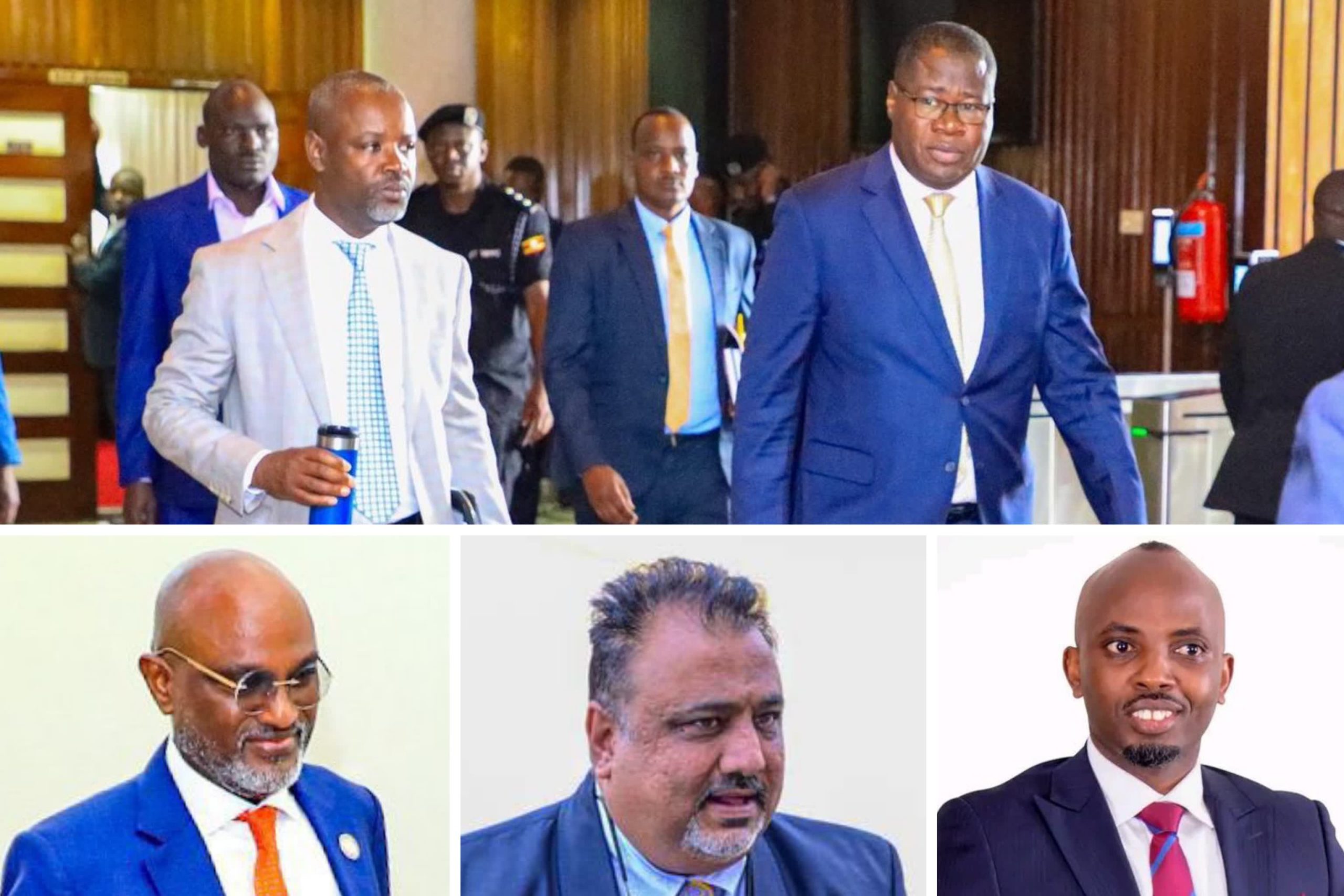
The controversy erupted following recent Cabinet appointments by the President, with public debate centering on the citizenship status of several nominees, including Adonia Ayebare, Calvin Echodu, Sanjay Tanna, and Lawrence Muganga.
Before the renunciations, some of the accused, including minister-designate for Trade, Industry and Cooperatives Sanjay Tanna and Foreign Affairs minister-designate Ambassador Adonia Ayebare, publicly denied the allegations of holding foreign citizenships.
Hon. Sanjay Tanna dismissed queries over dual citizenship by affirming his singular Ugandan identity and pledging to focus on strengthening trade, industrial growth, and the cooperative sector.
Adonia Ayebare, the former Permanent Representative to the UN, also denied the claims, saying that his first priority as Foreign Affairs Minister would be a well-coordinated government approach to foreign policy across all sectors.
The two-day vetting session, presided over by the Parliamentary Appointments Committee Chairperson and Speaker, Rt. Hon. Jacob Oboth Oboth, ended on Tuesday, June 2, 2026, with all 82 ministerial nominees vetted.
The vetted list of candidates has since been forwarded to the appointing authority for approval, and as Uganda closes this chapter of legal scrutiny over its new cabinet, the final decision now awaits.
About the Author