KAMPALA – The Ministry of Water and Environment, through the Department of Meteorological Services (DMS), has signaled that Uganda will most likely experience much drier conditions throughout July 2026.
Thank you for reading this post, don't forget to subscribe!The development was unveiled by the department while updating the nation on the ongoing June-July-August (JJA) season, with El Niño conditions expected to suppress seasonal precipitation.
The forecast indicates that Uganda will experience below-average rainfall throughout the month, with only the Northern region and parts of Eastern Uganda receiving occasional light, isolated showers.
While Central, Southwestern, and areas surrounding Lake Victoria enter the peak of their dry season, the Northern and parts of Eastern regions typically experience wetter conditions.
Northern Uganda can expect on-and-off isolated rainfall through July, though totals remain below average, while the Eastern Region stays largely dry apart from a few isolated light showers.
Central and Western Uganda face their driest conditions of the season, with the West seeing a more severe dry spell than usual and Central experiencing suppressed rainfall all month.
In the Karamoja Region, dry conditions will take hold after mid-July and persist through the remainder of the month, completing a national picture of below-average rainfall across most of the country.
A developing El Niño over the Pacific, combined with a strengthening Madden-Julian Oscillation, is expected to suppress rainfall across Uganda throughout July.
The northward shift of the ITCZ will only bring occasional showers to Northern and parts of Eastern Uganda, while dry continental air masses will keep Central and Southwestern regions largely rain-free.
With dry conditions prevailing, daytime highs will reach 28°C to 30°C across most areas, while highland regions will see milder maximums of 22°C to 26°C.
Nighttime temperatures will range from 18°C to 22°C in the North, East, and Lake Victoria areas, drop to 12°C to 18°C in the Southwest and Central, and fall below 12°C in the highlands, with mean temperatures varying between 16°C and 26°C nationwide.
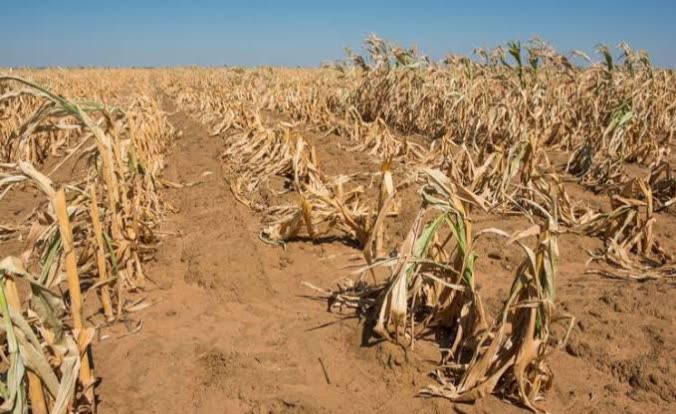
The Ministry has warned that dry conditions will cause crop moisture stress and reduced pasture for livestock, urging farmers to conserve water, use mulching, prioritize irrigation, and plant drought-tolerant varieties.
Water availability will most likely decline, with authorities urged to closely monitor reservoirs and groundwater levels, while households and institutions are called upon to use water sparingly.
The ministry highlighted that health risks include heat-related and dust-borne illnesses, as well as poor sanitation from water scarcity, prompting the public to practice safe water storage and hygiene.
Meanwhile, bush fires and wildfires pose a serious threat, and the public is advised to avoid peak sun exposure and report early warning signs of drought in vulnerable districts.
If you have a developing story, tip-off, or eyewitness account, reach out to our editorial team today.
📧 Email: westernpearlmedia@gmail.com
📞 Telephone / WhatsApp: +256 783 650 398
Let’s tell your story together—because every voice deserves to be heard.
About the Author