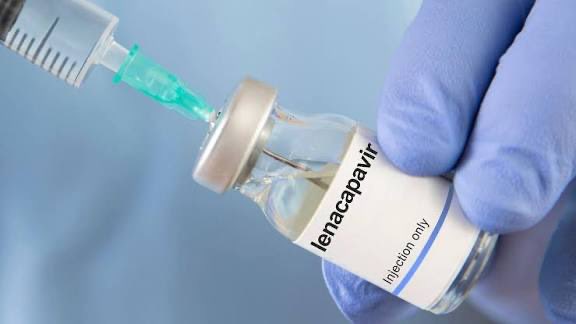
KAMPALA, UGANDA – Uganda has received its first consignment of 19,200 doses of Lenacapavir, a groundbreaking twice-yearly injectable drug for HIV prevention, marking a milestone in fighting new infections among high-risk groups.
Thank you for reading this post, don't forget to subscribe!The shipment, funded by the Global Fund, arrived in the country this week and will be distributed to health facilities in high-burden and high-incidence districts beginning in March 2026.
The drug is administered once every six months as pre-exposure prophylaxis (PrEP) for individuals at substantial risk of acquiring HIV.
Dr. Herbert Kadama, the national pre-exposure prophylaxis coordinator at the health ministry, confirmed that the rollout will initially target approximately 300 public and private faith-based health facilities across Uganda.
Priority beneficiaries include adolescent girls and young women aged 15 to 24, pregnant and breastfeeding mothers, sex workers, fishermen, and long-distance truck drivers.
Lenacapavir, manufactured by Gilead Sciences and marketed as Sunlenca, was named the 2024 Breakthrough of the Year by Science magazine after clinical trials demonstrated 100% efficacy in reducing HIV infections among participants.
The PURPOSE 1 study, conducted among 5,328 adolescent girls and young women in Uganda and South Africa, found that those receiving the twice-yearly injection achieved a 99.9% prevention rate, outperforming daily oral PrEP.
The National Drug Authority approved Lenacapavir for use in Uganda in January 2026, describing it as a game-changer for HIV prevention, especially for populations at high risk of exposure.
Uganda is among the first countries to receive donated doses of this long-acting injectable, alongside other high-burden nations including Kenya, Zambia, and Eswatini.
The Global Fund allocated approximately $1.14 million from its existing grant to Uganda to procure the initial doses, covering about 17,280 people for one year.
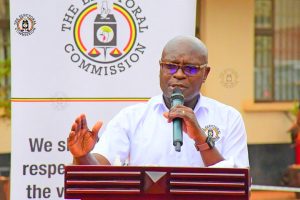
Dr. Nelson Musoba, director general of the Uganda AIDS Commission, noted during World AIDS Day commemorations in December that the current supply is insufficient to cover all vulnerable populations.
He appealed to the government to significantly boost domestic funding for AIDS ARVs, warning that without immediate action, the nation’s steady supply of life-saving medications could face severe disruption.
Uganda records approximately 37,000 new HIV infections annually, according to the 2025 national HIV estimates report, or roughly 1,000 new infections every week.
The country has 1.5 million people living with HIV, with the latest statistics revealing that 930,000 of those affected are women, compared to 570,000 men, underscoring the disproportionate impact of the epidemic on females.