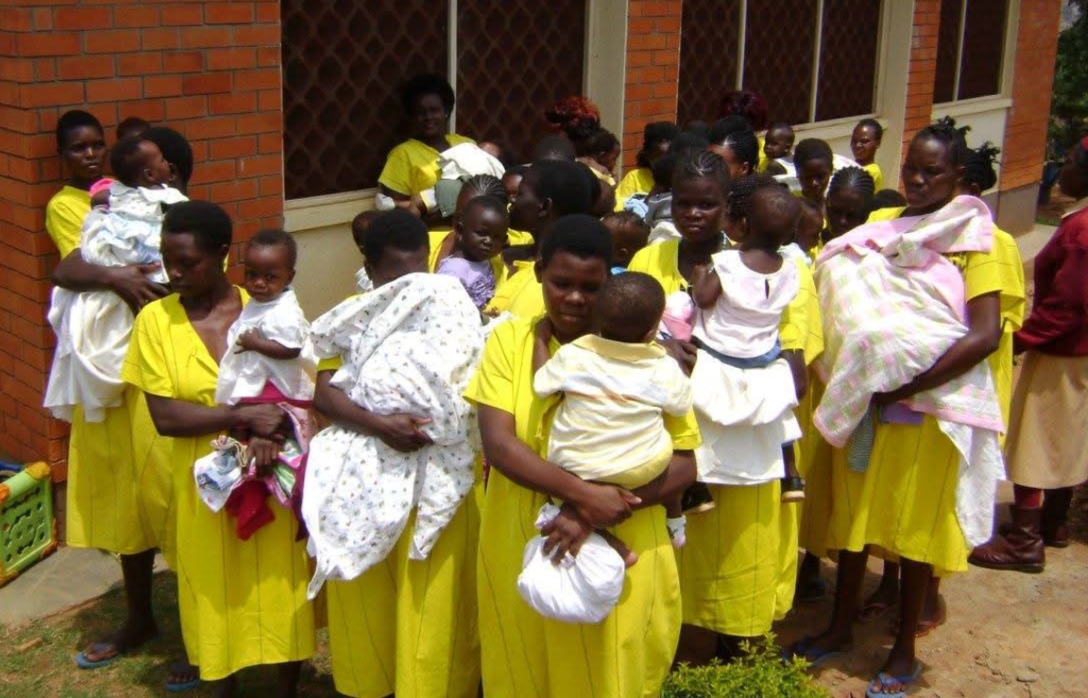
KAMPALA, UGANDA – The Uganda Prisons Service has acknowledged that it is currently accommodating 294 babies who are living in jail alongside their mothers, a situation that has worsened congestion in prisons across the country.
Thank you for reading this post, don't forget to subscribe!The disclosure was made by Aggrey Aturwanirire, Commissioner of Prisons in charge of Planning, during a presentation of the Uganda Prisons Service’s 2026/27 National Budget Framework Paper to the Parliamentary Committee on Defence and Internal Affairs last week.
“We are also reporting on the daily average of prisoners and we are saying, some of the female prisoners have babies, and we have an addition of 294 babies who are staying with their mothers in prison,” Aturwanirire reported.
Lawmakers, led by Isingiro West MP Reuben Arinaitwe, expressed concern over the welfare of children born in prison, probing the fate of those potentially abandoned by families.
Hon. Arinaitwe raised urgent concerns about the long-term care of these children, highlighting the acute risk of family abandonment and the resulting lack of support.
Nyabushozi County’s Wilson Kagyenjwe raised a pointed inquiry about whether mothers arrive at prison pregnant or conceive while incarcerated, demanding action to address the recurring issue of babies in prisons.
In response, Deputy Commissioner General Samuel Akena firmly denied the possibility of pregnancies occurring within prison walls.
He stated that all incoming female inmates undergo mandatory medical checks upon arrival, adding that mothers either arrive with newborn babies or while already pregnant.
“Our systems are very clear. Mothers come either with babies born already, they are carrying their babies, and they would not wish to leave their children behind. And by law, they have to be with these kids up to 18 months, according to the prison’s rules and regulations,” Akena stated.
Akena revealed a stark reality that often compels the service to extend this period: the conditions provided for the children in prison are sometimes seen as better than the uncertain fate awaiting them outside.
He explained that mothers are often reluctant to release their children, as the basic care provided in prison is frequently better than the uncertain conditions awaiting them outside, leading the service to extend stays up to 24 months while striving to improve the children’s welfare.
While the Prisons Service strives to provide care and extend compassion beyond the mandated 18 months, the children’s presence intensifies pressure on already strained facilities.
The fate of these 294 children now sits at the heart of a debate about rehabilitation, humanity, and the urgent need for criminal justice reforms that protect the most vulnerable.
About the Author