KABALE, UGANDA – Parents have been urged to actively follow up on matters related to the management of public school affairs to help reduce dropout rates, absenteeism, and illegal charging of fees in UPE schools.
Thank you for reading this post, don't forget to subscribe!The appeal was made yesterday during a Stakeholders’ Dialogue held at White Horse Inn, Kabale.
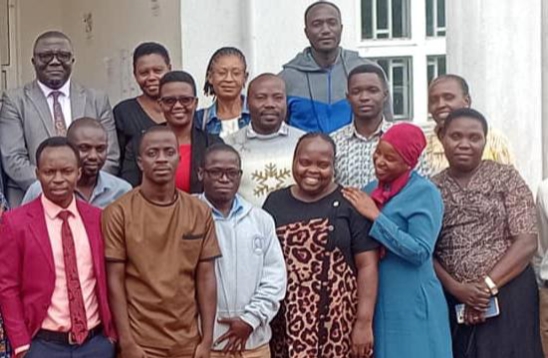
The dialogue aimed at discussing community issues raised under the “Strengthening Citizens’ Engagement and Public Accountability” (SCEPA) program, being implemented by the NGO Local Sustainable Communities Organization (LOSCO) in partnership with the Uganda National NGO Forum (UNNGOF), and support from the Royal Danish Embassy.
Several community concerns from the Kigezi sub-region were presented by LOSCO’s Executive Director, Albert Taremwa. He highlighted issues related to Education, Health, Road Infrastructure, Electricity, and Water Services, among others.
Some of the most frequently raised concerns included the rising school dropout rate, teacher absenteeism, insufficient scholastic materials, dilapidated school infrastructure, and unlawful expulsion of students from Universal Primary Education (UPE) schools due to unpaid fees.
Ms. Agness Success, a resident of Muhanga Town Council in Rukiga District, expressed concern about hundreds of children employed as laborers at Kiyoora Stone quarry along the Kabale-Bunyonyi road.
She said that after being sent home for failing to pay school fees, instead of following up, some parents chose to work with their children at the stone quarry.
The Rubanda District Inspector of Schools, Francis Bamunyangira, clarified that it is illegal for school authorities to send children home for unpaid fees, as the UPE program is fully funded by the government, providing free education to all Ugandan children.
Mr. Bamunyangira explained that the law permits schools to agree with parents on raising additional funds to supplement government support for constructing classrooms, pit latrines, and other infrastructure, as well as hiring additional teachers.
However, he emphasized that such agreements should not affect students’ attendance, as the arrangements are strictly between parents and school management.
He urged parents to be more involved in their children’s education by asking relevant questions.
“Active participation is the only way we can address these issues. Attend meetings when invited, and follow up on matters requiring your attention,” he advised.
Furthermore, citizens were encouraged to report cases of corruption and mistreatment when seeking services in public institutions. This call came in response to reports of impunity, collusion between relatives of suspects and police officers to ensure suspects’ release without due process, and the mistreatment of patients at health facilities.
Kigezi Sub-region Deputy Police Commander, Senior Superintendent of Police Francisco Shaka, clarified that police do not operate in isolation.
Some suspects are released on orders from the Directorate of Public Prosecution, often due to witnesses failing to testify. He urged residents to report any suspected corruption cases for investigation.
His words were echoed by ASP Elly Maate, the police spokesperson for the Kigezi sub-region, who advised people to remember the names of officers accused of corruption.
“Today, we emphasize the importance of wearing police uniforms with name tags, and we do not tolerate any excuses for non-compliance. If you believe an officer has mishandled your case, clearly identify their name. Feedback is highly confidential. We do not announce on radio that someone has given us feedback; we interact with individuals as necessary,” Maate said.
The Medical Superintendent of Rubanda District General Hospital, Dr. Godfrey Bampabwiire, also encouraged patients to report cases of arrogance, delayed services, and absenteeism among health workers to higher authorities.
“Every health worker reports to someone. Do not remain silent if you experience poor service or misconduct at our health facilities,” he advised.
The LOSCO Programs Manager Ms. Marion Ainembabazi said that the SCEPA Program was majorly aimed at Strengthening inclusive governance, service delivery and accountability.
“We aim at creating spaces for everyone to participate, ensuring that no voice is left behind, especially women and marginalized groups , as we share ideas on practical solutions for challenges faced by the communities” she said.
The Rukiga District RDC Zadok Kamusiime gave the closing remarks by calling for collaboration of Government entities from different sectors, to tackle the existing challenges.
He noted that in Rukiga District, they had tasked the Education Office to provide a regular update of the names of school children who drop out of school, and their parents/guardians so that the District authorities could engage them directly.
About the Author