KAMPALA – The government of Uganda has unveiled sweeping new fisheries regulations that cap boat numbers, ban illegal gear, and restrict silverfish harvesting to specific landing sites using scoop nets during the dark moon phase.
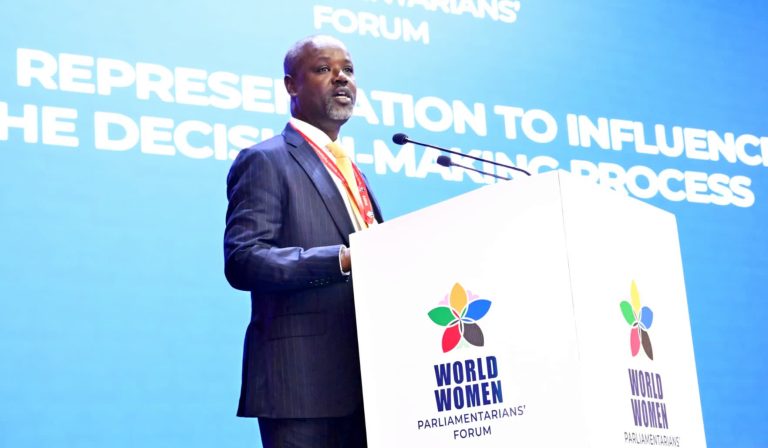
Thank you for reading this post, don't forget to subscribe!The development was announced by State Minister for Fisheries, Hon. Robert Migade Ndugwa, during a press briefing at the Uganda Media Centre, presenting seven comprehensive regulations aimed at curbing illegal fishing activities nationwide.
The sweeping reforms come as the sector battles worsening fish scarcity, an oversupply of fishing vessels, and rampant use of banned nets, all of which have crippled production and slashed earnings from fish exports.
Minister Robert Ndugwa stated that the Fish Capacity Management Regulations set strict limits on the number of boats allowed per water body and per person, while also specifying allowable gear types for each fishery.
He added that small pelagic species like silverfish may now only be harvested using scoop and lift nets during the dark moon phase, with fishing restricted to designated landing sites at least two kilometres offshore.
The Minister further clarified that a new species-specific licensing system requires separate permits for Nile Perch and Nile Tilapia, with non-transferable licenses aimed at ending the widespread problem of unlicensed fishing operations.
“With these new regulations, we are sending a clear message: the days of plundering our waters are over. We are putting in place the tools to rebuild our fish stocks, protect our breeding grounds, and ensure that future generations of Ugandans will still have fish on their tables,” Minister Robert Ndugwa noted.
Additional regulations provide for seasonal and spatial closure of fishing activities based on scientific research, while also demarcating and protecting all fish breeding grounds across the country.
New quality assurance rules address the safety of fish products for human consumption, alongside aquaculture management guidelines to boost fish farming, and strict controls on harvesting and trading in fish maw.
Co-management regulations ensure only qualified members serve on landing committees, while stocking and restocking rules guide the replenishment of fish in natural water bodies to support long-term recovery.
The government is slated to establish a Monitoring, Control and Surveillance Unit to bolster enforcement, following confirmation that the removal of unlicensed boats will likely commence after September 15, 2026.
The Uganda Peoples’ Defence Forces have resumed oversight of fishing activities, following warnings from the Deputy Chief of Defence Forces Lt Gen Samuel Okiding that offenders practicing illegal fishing activities will face arrest and prosecution.
Uganda’s fisheries sector contributes 2.6 percent to the national economy and an impressive 12 percent to agricultural GDP, while supporting the livelihoods of millions of Ugandans across the value chain.
Current annual fish production stands at 750,000 metric tonnes, but the government has set an ambitious national target of 1.7 million metric tonnes, with aquaculture expected to contribute a substantial one million tonnes of that total.
The Ministry is improving post-harvest handling, processing, marketing, and species management, while promoting cage farming to address depleting stocks, with Lake Victoria pilot projects producing 12 tonnes annually from 50 cages in Jinja.
About the Author