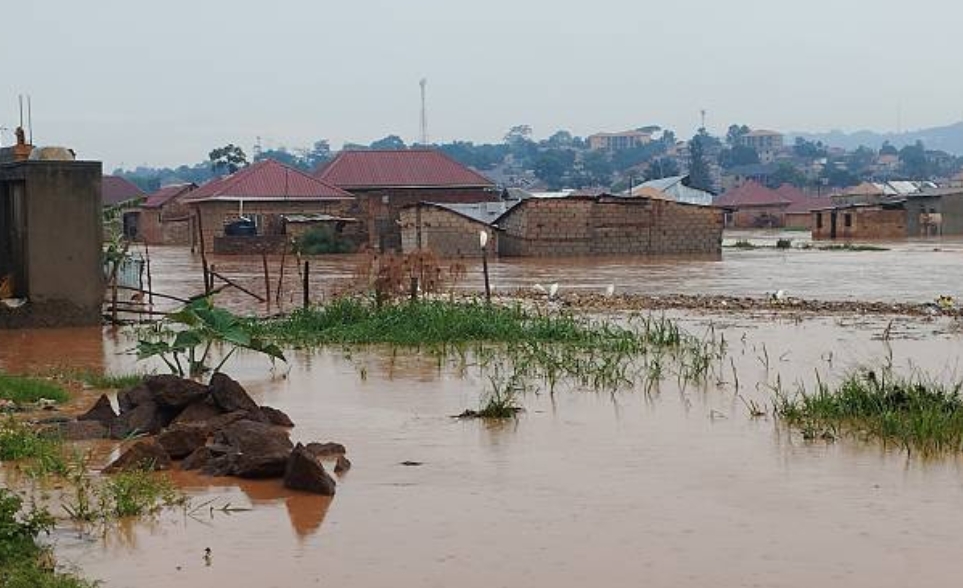
KAMPALA – The latest Dekadal Agromet Forecast Bulletin from the Department of Meteorological Services (DMS) has indicated that most parts of Uganda will continue to receive steady to occasional rains over the coming weeks.
Thank you for reading this post, don't forget to subscribe!The bulletin, issued on 10th October 2026 by the DMS under the Ministry of Water and Environment, covers the second dekad of October and provides critical weather information for farmers, policymakers, and the general public.
According to the forecast, between 11th and 20th October 2026, most areas of the country are expected to continue receiving steady to occasional rains during the forecast period.
The western sector, stretching from the south-western Kigezi sub-region to Bunyoro, including western Central, central Acholi and Lango, West Nile, and the upper Elgon belt, is expected to receive heavy rainfall.
Moderate rains are expected over the central cattle corridor districts, western, northern, and north-eastern areas of Lake Victoria, north-eastern areas of the Acholi and Lango sub-regions, Bunyoro, parts of Mount Rwenzori, Ankole, Southern Central, Western Lake Victoria, and the Mount Elgon highlands.
Meanwhile, the Karamoja sub-region is expected to remain predominantly dry throughout the forecast period, with only isolated episodes of light rainfall likely over a few areas.
The bulletin also provides a ten-day forecast of mean temperatures. Daily average maximum temperatures are expected to range from 28°C to 36°C over most parts of the country.
The northern, eastern, and rift valley areas of Kasese and Ntoroko are expected to experience the highest maximum temperatures, ranging from 32°C to 36°C.
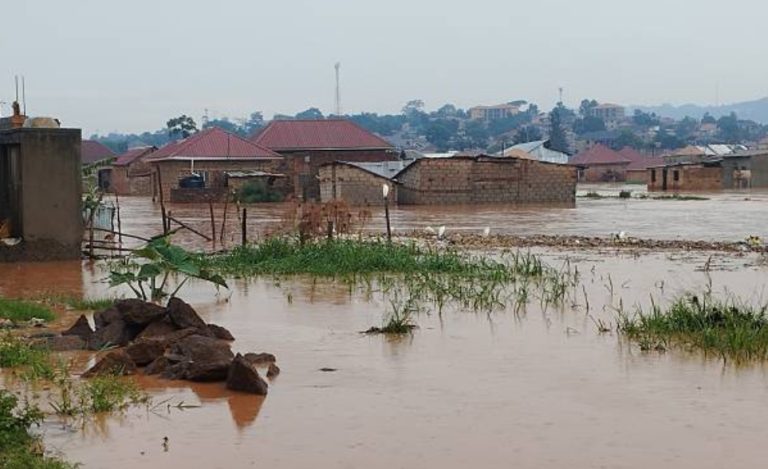
The Department of Meteorological Services (DMS) warns of multiple impacts linked to the forecasted weather, including flooding, landslides, transport disruption, and infrastructure damage from enhanced, steady rainfall across most of the country.
Persistent dry conditions over a few areas of the western Karamoja sub-region will continue to pose serious risks of water stress and gradual pasture depletion for both communities and their livestock.
The bulletin also warns that surface runoff could contaminate unprotected water sources, potentially causing cholera, dysentery, and typhoid outbreaks, while stagnant water may increase malaria transmission.
Strong and gusty winds may result in roof structures and plants being blown off, and there is also a likelihood of lightning incidents over most parts of the country.
The Meteorological Department has, however, advised farmers to consider planting crop varieties suited to the expected rainfall, while livestock keepers should provide shelters and keep animals out of flooded areas.
Communities were advised to dig drainage channels to prevent waterlogging, monitor and report crop pests, animal parasites, and plant diseases to authorities, and avoid crossing flooded areas.
Residents on vulnerable steep slopes were advised to stay alert and relocate to safer lowlands if cracks appear in the soil, while urban authorities should clear silt and garbage from drainage channels, open storm drains, and cover open manholes to prevent drowning.
Furthermore, communities were urged to boil or treat drinking water, intensify household hygiene, keep pit latrines covered, and clear bushes and stagnant water to reduce mosquito breeding to avoid the spread of malaria.
The Dekadal Agromet Bulletin is a regular publication by the Department of Meteorological Services, providing essential weather and climate information to support agricultural planning, disaster risk reduction, and public safety across Uganda.
About the Author