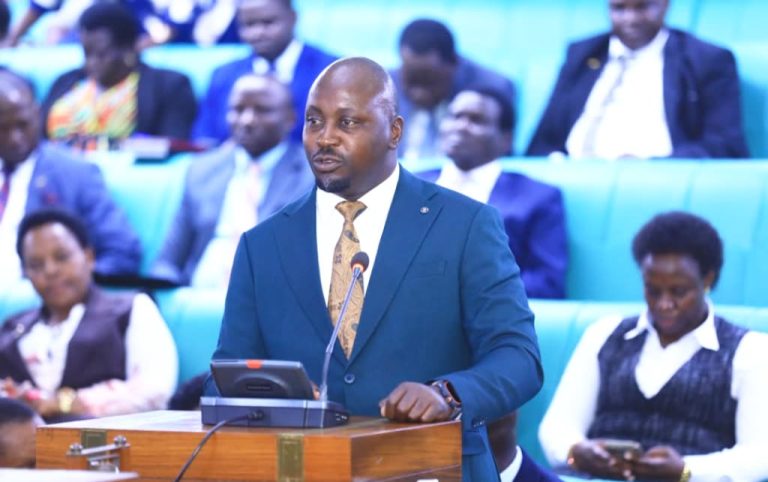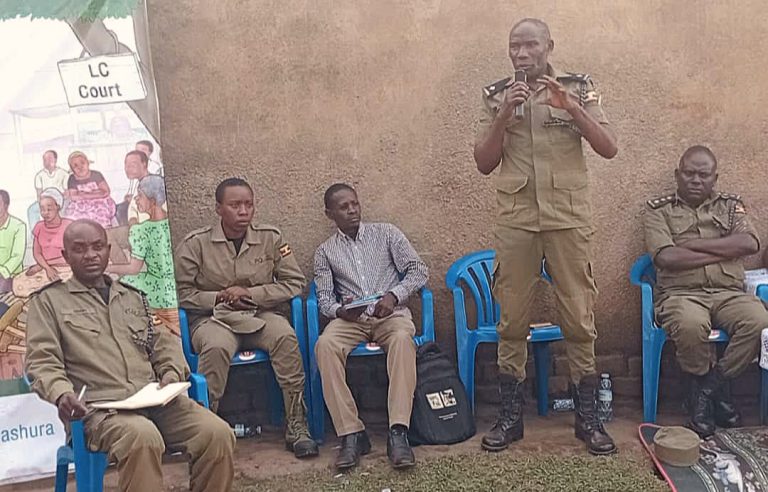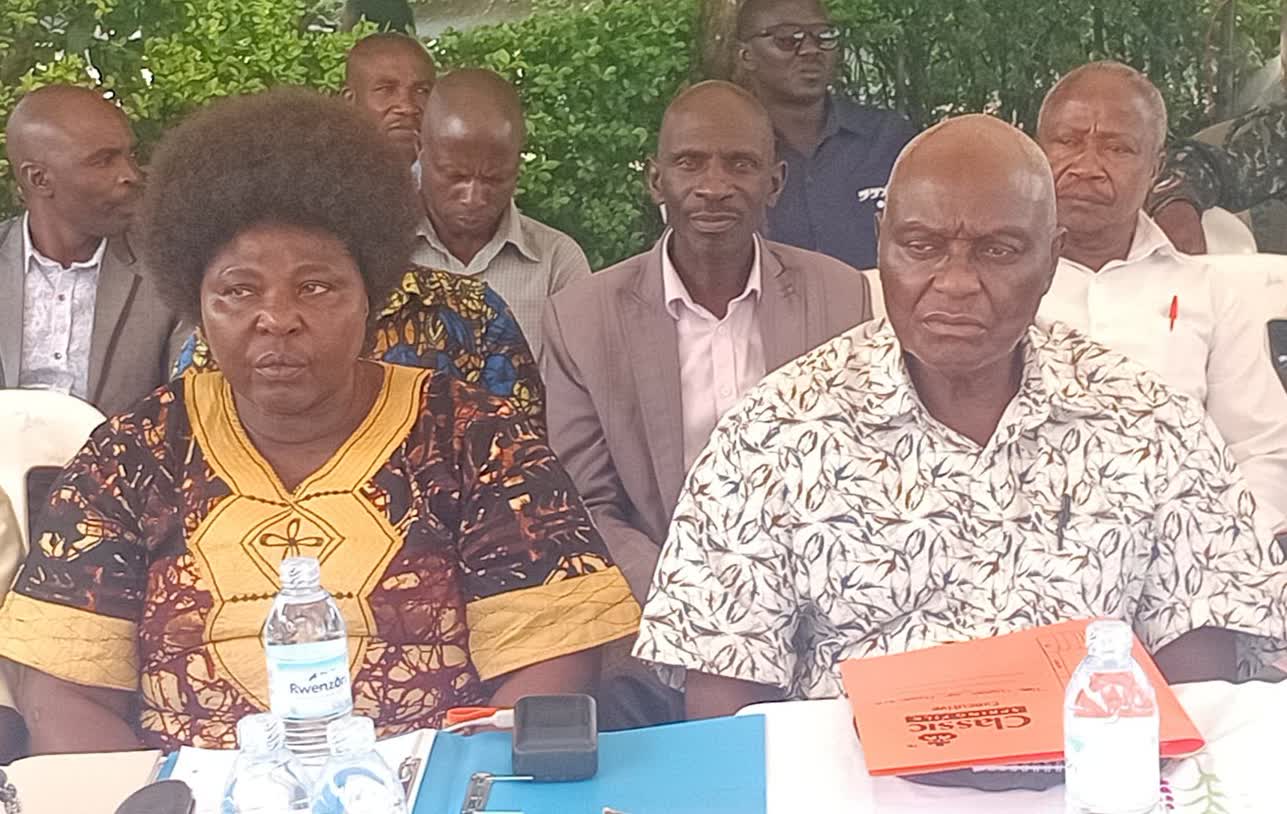
RUBIRIZI – Teachers and parents have been urged to cease subjecting learners to brutal corporal punishment, a practice that has triggered an alarming surge in suicidal cases, school dropouts, and destructive behavioral patterns.
Thank you for reading this post, don't forget to subscribe!The stern caution was issued by Rubirizi Deputy Resident District Commissioner Ms. Robina Mirembe during a parents-teachers meeting held at Ndekye Senior Secondary School in Nyakasharu, Rubirizi District.
Mirembe delivered a stern warning against torturing learners at school and at home, stressing that such punitive measures are destroying young lives by pushing them into depression, self-hatred, and ultimately onto the streets.
She noted that harsh corporal punishment has driven many children to attempt suicide, drop out of school, and end up on the streets, emphasizing that this brutal practice must come to an end.
“This practice has led many children to attempt suicide, hate themselves, drop out of school while still young, and end up on the streets. We must stop torturing our children with harsh corporal punishments. It is not the solution,” Mirembe declared.
The Deputy RDC also expressed deep concern that traumatized learners are increasingly joining bad peer groups and engaging in risky sexual behaviors, exposing themselves to infections and other life-threatening dangers.
Rubirizi District Education Officer Biiru Steven Warufu urged teachers to embrace guidance and counseling, showing learners love, care, and good behavior while safeguarding their rights.
He warned that the district must act swiftly to protect students from stress and self-harm while addressing the surge in school dropouts, with offenders facing prosecution under the law.
Warufu stressed that corporal punishment is not a solution under the Education Act, calling instead for mediation, forgiveness, and reconciliation between teachers and learners.
“Our children are not just statistics; they are human beings with fragile hearts. We must guide them, not break them. Corporal punishment is not a solution; it is a setback. Let us build bridges, not walls, between our educators and students,” Warufu said.
The DEO further appealed to young people to seek help from trusted adults rather than resorting to suicide or dropping out, and announced a community campaign to fight self-harm, drug abuse, and domestic violence.
The Archdeacon of Ndekye Archdeaconry, Rev. Canon Yorokamu Tayebwa, provided further insight into the factors driving children to self-harm and stress.
He identified several key contributors, including excessive academic pressure, fear of failure, harassment at home, family conflict, lack of love both at home and at school, and harsh corporal punishment.
“Being beaten heavily at school or at home makes children fearful, causes them to hide their problems, and leads them to hate themselves,” Rev. Tayebwa explained.
The Archdeacon pointed to substance abuse, idleness, drug and alcohol abuse, and untreated emotional struggles such as depression without proper counseling as major factors contributing to the rising suicide cases in the district.
If you have a developing story, tip-off, or eyewitness account, reach out to our editorial team today.
📧 Email: westernpearlmedia@gmail.com
📞 Telephone / WhatsApp: +256 783 650 398
Let’s tell your story together—because every voice deserves to be heard.
About the Author