KAMPALA – The Ministry of Health has officially flagged off a consignment of maternal and newborn care equipment, aimed at bolstering emergency obstetric and newborn care services across Uganda’s high-volume public health facilities.
Thank you for reading this post, don't forget to subscribe!The consignment, worth approximately UGX 2.1 billion, was procured by a Rotary Club under the “Empowering Families, Growing Futures” initiative and will be distributed to 31 high-volume public health facilities.
The benefiting health units across the country include 16 Health Centre IVs and 15 Health Centre IIIs across 14 districts, with the goal of improving the quality of care for mothers and newborns.
The items include a comprehensive range of critical equipment, such as delivery beds, radiant warmers, patient monitors, baby cots, phototherapy machines, newborn resuscitation units, and Kangaroo Mother Care chairs.
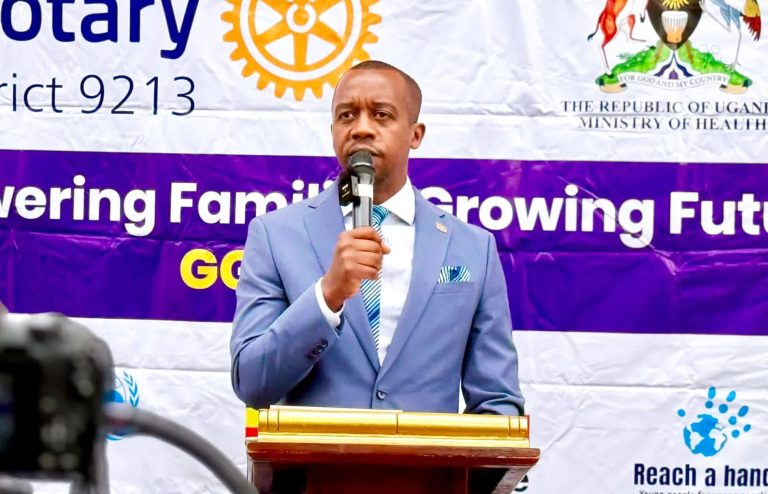
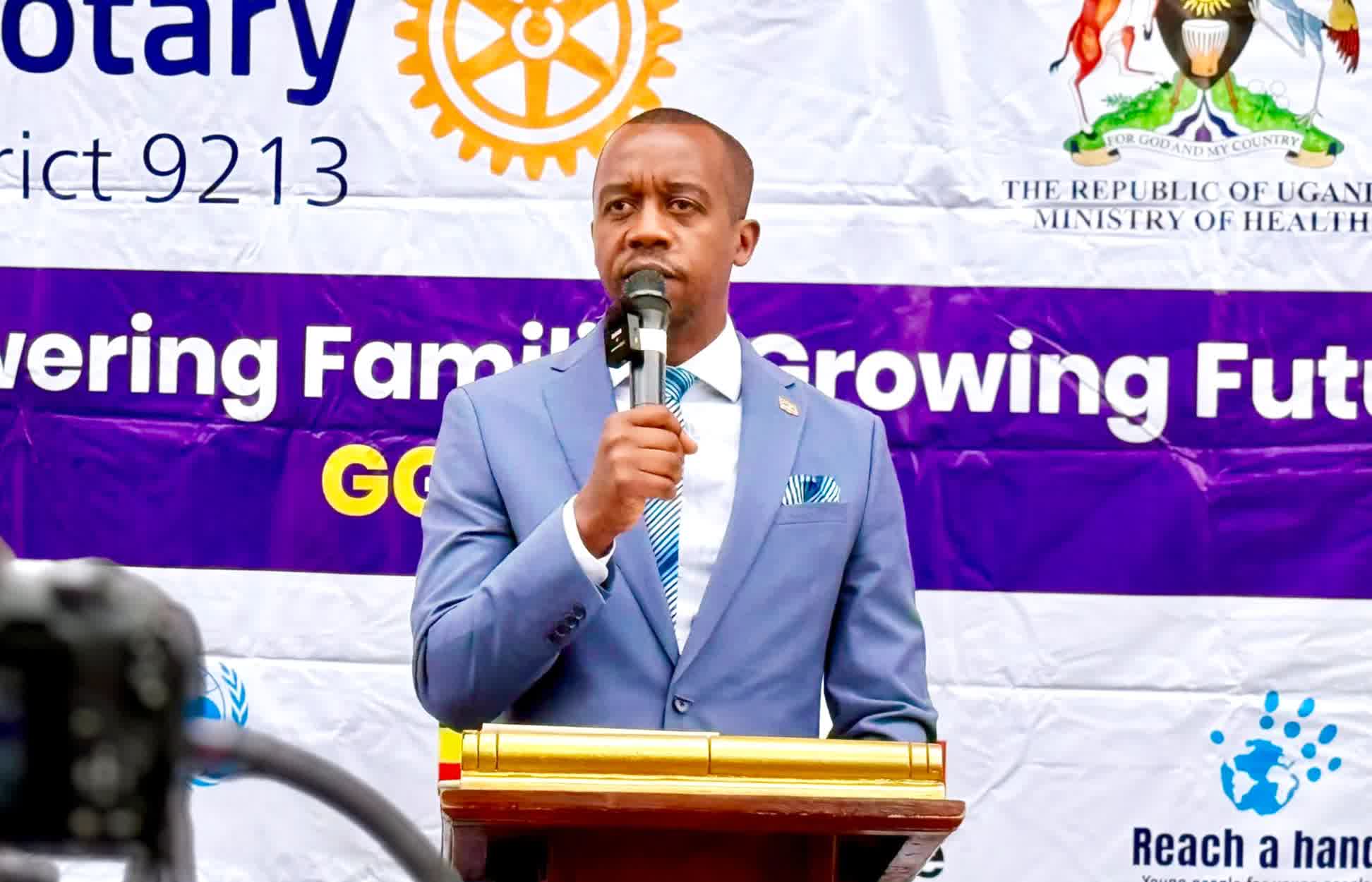
Presiding over the official flagging off of the consignment disbursement, the State Minister for Primary Health Care, Hon. Dr. Charles Ayume, emphasized that the Ministry’s focus extends far beyond the initial supply of equipment.
He stressed the importance of ensuring that the new tools are properly utilized through continuous training, supervision, and maintenance, guaranteeing a long-term impact on healthcare delivery.
“We are not just sending out machines. We are making sure they will be used well, through training, checking, and repairs. This is how we bring lasting change to our people’s health,” Dr. Charles stated.
The Commissioner for Reproductive and Child Health, Dr. Richard Mugahi, noted that the equipment from Rotary complements ongoing government investments in building the capacity of health workers to manage complications affecting mothers and newborns.
Dr. Mugahi highlighted that health workers under the programme are already undergoing specialized training in Essential Newborn Care.
Additional training on Helping Mothers Survive is also expected to further improve the management of obstetric emergencies such as postpartum haemorrhage, pre-eclampsia, eclampsia, and obstructed labour.
“Rotary’s equipment joins what the government is already doing. We are training health workers to care for newborns. Soon, we will also train them to handle emergency cases like bleeding, high blood pressure, and difficult labour during childbirth,” stated Dr. Richard.
The programme, which integrates clinical mentorship and system strengthening, aims to build resilient healthcare systems that continue to serve communities effectively well into the future.
If you have a developing story, tip-off, or eyewitness account, reach out to our editorial team today.
📧 Email: westernpearlmedia@gmail.com
📞 Telephone / WhatsApp: +256 783 650 398
Let’s tell your story together—because every voice deserves to be heard.
About the Author