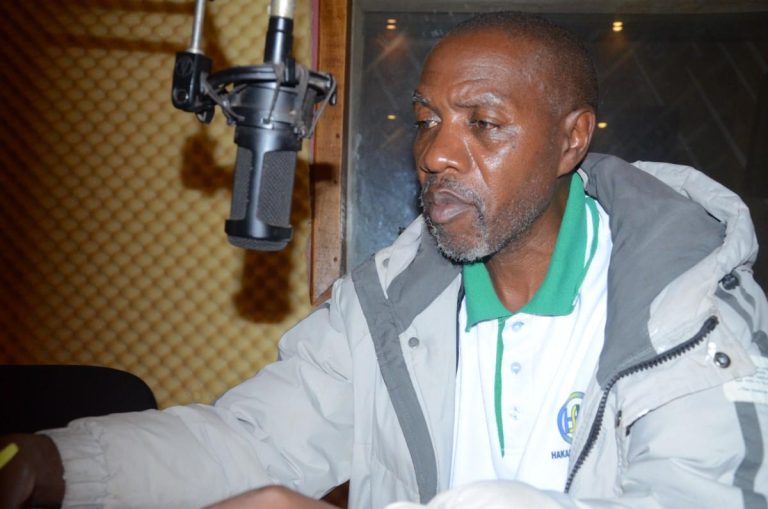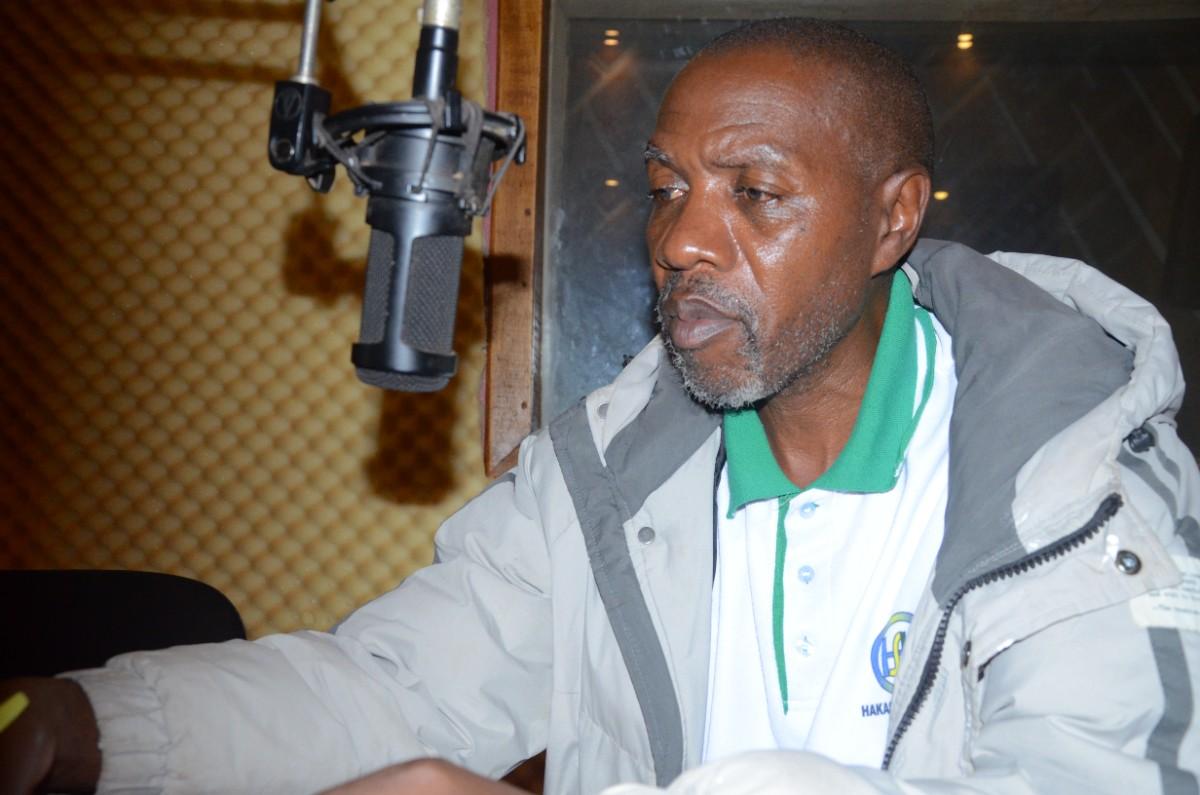
KABALA, UGANDA – The Principal Orthopedic Officer at Kabale Regional Referral Hospital, Amos Abaruhanga, has expressed concern over the increasing burden of arthritis, highlighting its causes, prevention, and treatment.
Thank you for reading this post, don't forget to subscribe!Abaruhanga, an orthopedic specialist with 29 years of experience, was on Thursday speaking on a local radio talk show in Kabale District. He revealed that as of April 2026, the hospital was managing up to 200 patients battling arthritis.
He noted that the rising number of patients was cared for by only three orthopedic surgeons , which could result into significant strain on the hospital’s human resources, in the following years.
Arthritis is characterized by inflammation of one or more joints, leading to pain, swelling, stiffness, and reduced mobility. Key risk factors include age, especially in individuals aged 40 years and above, whose joints tend to experience more wear and tear, family history or genetics, and previous joint injuries caused by accidents. Other factors include smoking, and repetitive motions, particularly in jobs requiring frequent bending, kneeling, or heavy lifting.
Abaruhanga also warned about the rising cases of overweight and obesity, stating that excessive body weight exerts considerable pressure on joints, which accelerates cartilage degeneration and diminishes the protective cushion between bones.
He added that obese individuals are up to 60% more likely to develop arthritis compared to those maintaining a healthy weight.
“Normal weight for a healthy adult should be between 60 to 75 kilograms,” he said, emphasizing that this varies with height among individuals. He explained that the average body mass index (BMI) should be between 18.5 and 24.9.
CUE IN…. ABARUHANGA ON OBESITY.
He further discussed the long-term effects of chronic arthritis, which include persistent pain, paralysis of body parts such as limbs, and psychological stress.
“Some patients reach a point where they are unable to move on their own and require assistance. This often causes family members to treat them as burdens, and the situation can be quite stressful,” he noted.
CUE IN…. ABARUHANGA ON CHRONIC ATHRITIS
While there is no cure for arthritis, Mr. Abaruhanga stated that patients can access various treatments, including medications, physical therapy, and surgery.
He explained that painkillers can be administered to manage severe pain, and in chronic cases, joint replacement surgery may be necessary.
CUE IN…. ABARUHANGA ON TREATMENT.
Meanwhile, the medical expert called for lifestyle changes to prevent arthritis. He encouraged regular exercise and reduced intake of fatty foods to prevent obesity.
He also urged individuals experiencing joint pains to seek early medical attention to avoid the progression to chronic arthritis.
Statistics show that over 500 million people worldwide are living with arthritis, making it one of the most common health conditions, particularly among older adults. In Africa, approximately 1.9 million people are affected.
In Uganda, an estimated 300,000 people are living with arthritis, and the most common form of arthritis in the country is osteoarthritis, a degenerative joint disease typically resulting from joint trauma, infection, or wear and tear.
About the Author