KAMPALA – The Worldwide Anglican Church has rebutted the Church of Uganda’s earlier warnings against the “unauthorized” use of shared hymns, vestments, and clerical attire, a move it deems divisive and historically unfounded.
Thank you for reading this post, don't forget to subscribe!The redline was drawn by Archbishop-elect, the Most Rev. Christopher Bwambale of Western Uganda, who dismissed the traditional Anglican rebuttal as antithetical to the global communion’s foundational nature.
The dispute stems from a Church of Uganda notice accusing the Reformed Anglican Church and its affiliates of employing liturgical practices, vestments, and hymns that the Church of Uganda claims as its exclusive heritage.
Archbishop Christopher Bwambale confirmed to this reporter that neither vestments nor hymns belong to any one church, as clerical wear is mass-produced, not custom-made for the Church of Uganda alone.
“I can state it again, clearly: no cloth or hymn was made for any church, because the cloth is manufactured in a factory, and it was not manufactured for the Church of Uganda,” Archbishop Christopher declared.
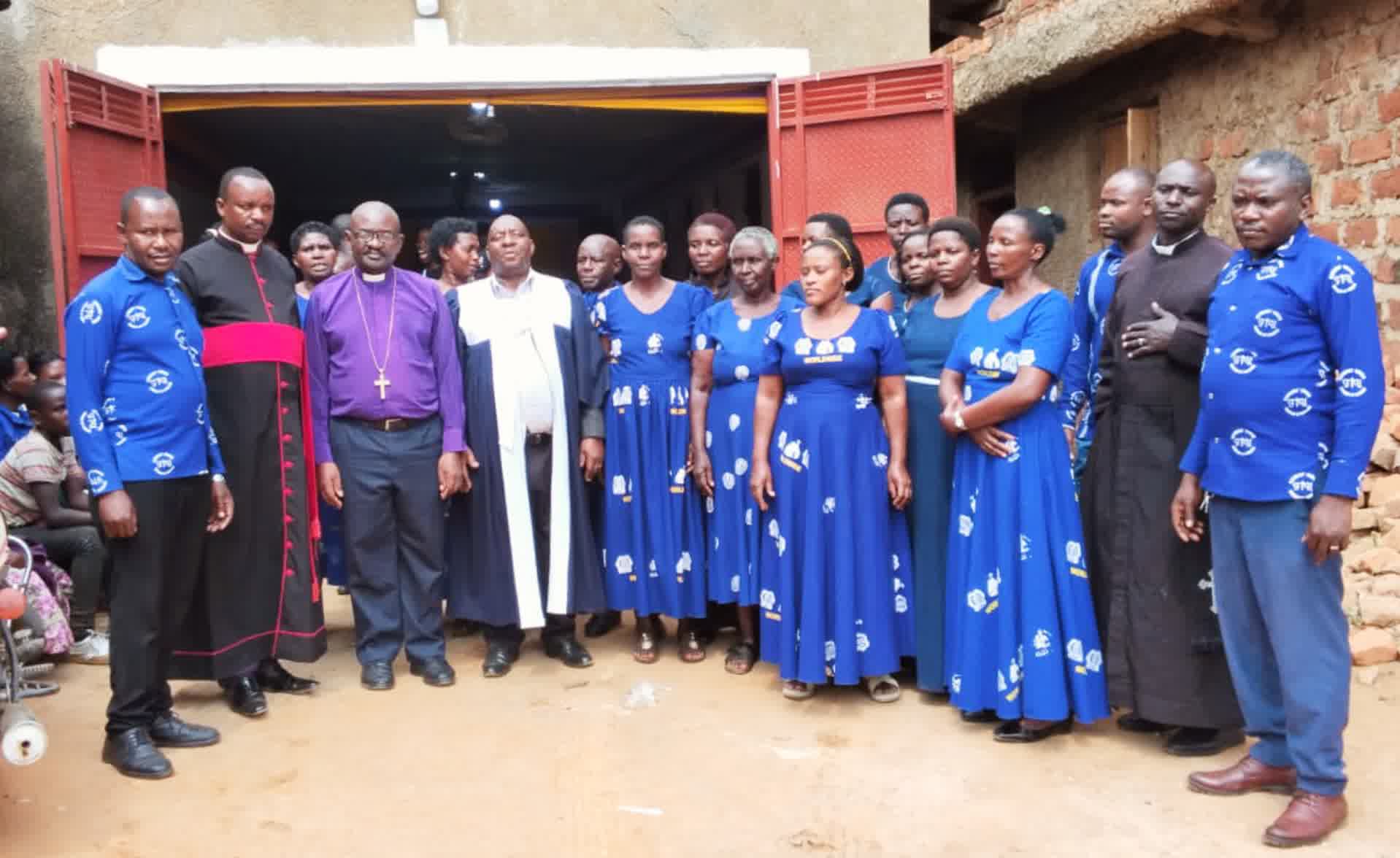
He emphasized that while clerical attire may feature distinctive designs, such as longos or ceremonial stoles, the foundational vestments remain the common property of the worldwide Anglican tradition.
The Archbishop argued that the disputed hymns, written by Archbishop Thomas Cranmer for the English Church in 1549, long before the Church of Uganda existed as a separate entity, belong not to any single national body, but to the global Anglican Reformation heritage.
The Most Rev. Christopher Bwambale cautioned that the Church of Uganda’s tough position may not represent the entire organization, but rather a faction of individuals resistant to sharing religious titles.
He noted that on the ground, clergy from both traditions still worship together, exchange visits, and maintain harmonious relations despite the ongoing dispute.
“I believe some people in the Church of Uganda are fighting over religious titles. But this is not the official position of the Church of Uganda. Church leaders from both groups still work together, attend each other’s events, and live peacefully in their communities,” Archbishop Christopher stated.
The Archbishop called on all believers to rise above partisan rivalries, urging church leaders to focus on proclaiming a message of healing and salvation instead of harassing one another or chasing congregational numbers.
Bishop-elect Nelson Buhamizo of the Greater Ankole Diocese insisted that while the Church of Uganda may choose to go its own way, his diocese will not abandon the shared vestments, hymns, and liturgical traditions that unite them with the wider Anglican communion.
“If the Church of Uganda wants to distance themselves from other Anglican churches, let them do so. But for us, we will not desist from putting on the vestments, using the same hymns, and observing the same liturgical practices,” Bishop Buhamizo said.
The bishop’s remarks reflect a growing resolve among Worldwide Anglican leaders to assert their rightful place within the broader tradition and reject any attempts to sideline them through exclusionary rulings.
The rhetoric comes just ahead of a historic ceremony for the Worldwide Anglican Church as it prepares to consecrate Archbishops Samuel Ssebufu (Central Uganda) and Christopher Bwambale (Western Uganda) on July 26, 2026.
The Archbishops will be consecrated alongside two bishops: Nelson Buhamizo for the Greater Ankole Diocese and Rev. Canon Zaaka Kalimi for all prisons churches under the Worldwide Anglican Church in Uganda.
The Worldwide Anglican Church traces its origins to September 15, 1921, in South Africa, when racial discrimination within the Church of South Africa led both African and white worshippers to break away and form a new ecclesiastical body.
The movement eventually spread across the globe, reaching Uganda in subsequent decades, where it has since taken deep root and grown into a significant spiritual force with a growing following across the country.
If you have a developing story, tip-off, or eyewitness account, reach out to our editorial team today.
📧 Email: westernpearlmedia@gmail.com
📞 Telephone / WhatsApp: +256 783 650 398
Let’s tell your story together—because every voice deserves to be heard.
About the Author