KAMPALA – The 2025 Uganda Population-based HIV Impact Assessment has uncovered that HIV prevalence among adults aged 15+ stands at 5.9%, 7.3% among women and 4.1% among men, steady since 2020, translating to about 1,496,000 adults living with HIV.
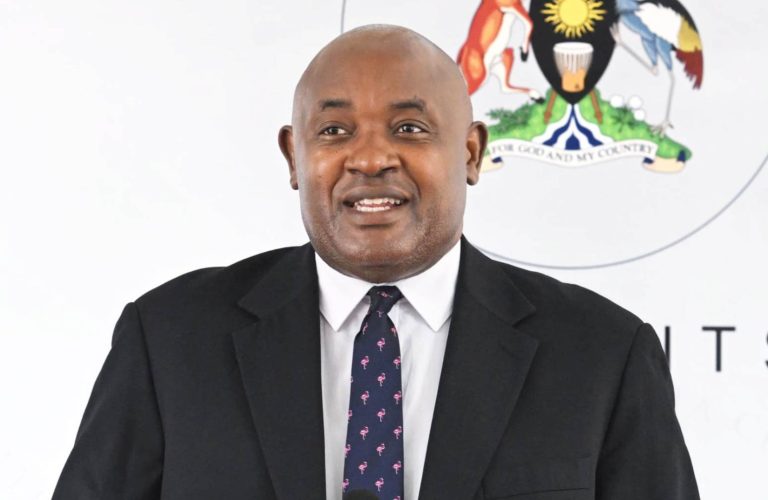
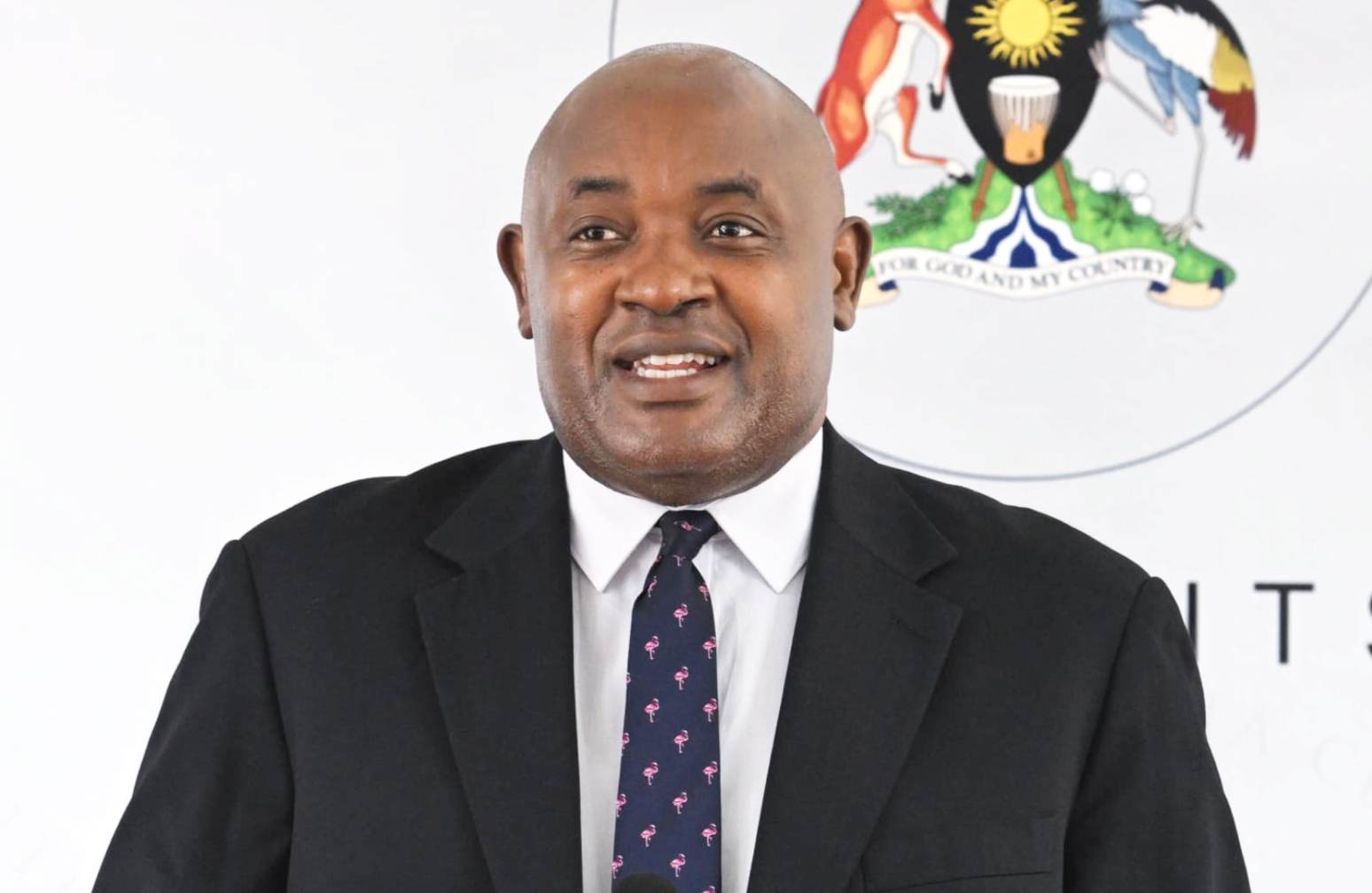
Thank you for reading this post, don't forget to subscribe!The findings were unveiled by the Minister of Health, Dr. Chris Baryomunsi , while addressing the press at the Uganda Media Centre on Thursday, showing progress toward ending AIDS by 2030 but warning of critical gaps in HIV testing.
Minister Baryomunsi noted that the survey is more than a report, describing it as “a national accountability instrument” to guide policy, resource allocation, and the next phase of health reforms under universal health coverage.
He confirmed that the survey, conducted from July to September 2025 in 6,283 households, shows Uganda posted impressive gains on the 95-95-95 targets, with 85.3% knowing their status, 99.1% on treatment, and 96.5% virally suppressed.
Minister Baryomunsi called the message encouraging, noting that almost everyone who knows their status is on treatment and suppressed, but warned that the biggest gap is at the start, with one in seven unaware of their status.
“HIV prevalence is 5.9 percent among adults, with 85.3 percent aware of their status, 99.1 percent of them on treatment, and 96.5 percent virally suppressed. Overall suppression rose to 86.0 percent, but one in seven still do not know their status,” said Minister Baryomunsi.
HIV prevalence remains highest in South Western Uganda at 8.0% and lowest in Karamoja at 1.3% and West Nile at 1.4%, with young women disproportionately affected as prevalence among 15-24 year-olds stands at 2.0% for women compared to 1.0% for men.
The survey also flagged low viral suppression among youth aged 15-24 and measured non-communicable diseases, finding 15.5% of adults with elevated blood pressure, 0.9% with elevated blood glucose, and 24.8% overweight or obese.
Meanwhile, the health Minister has since encouraged citizens to know their HIV status, make use of prevention services, and start and stay on treatment consistently if positive.
Baryomunsi called on district leaders and health workers to use the data to target the greatest gaps, and on partners to align their support with government priorities for a sustainable, country-led response.
The survey was led by the Ministry of Health with Makerere Univeresity School of Public Health, UBOS, UVRI and districts, and funded by the U.S. Government through PEPFAR/CDC.elf
About the Author