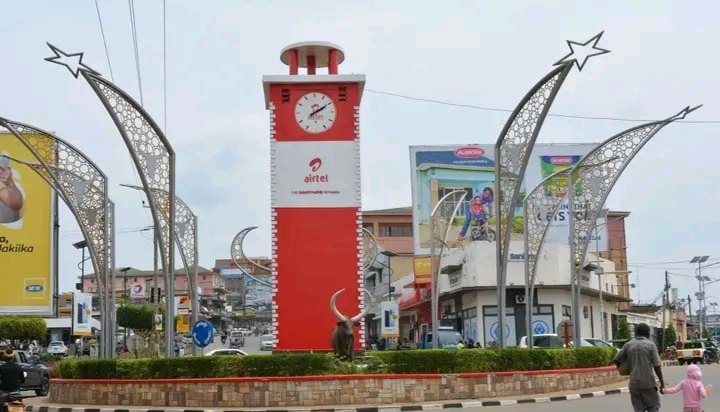
MBARARA, UGANDA – Mbarara City registered 1,678 new HIV infections between January and December 2025, with the burden falling most heavily on adults and the youth.
Thank you for reading this post, don't forget to subscribe!The development was confirmed during a five-day oversight visit to the Ankole Sub-region by the Uganda AIDS Commission (UAC) Board, accompanied by UAC management and staff.
The delegation, led by the Chairperson of the Board, Canon Dr. Ruth Senyonyi, aimed to review the implementation of HIV prevention, treatment, and care services in selected districts, in an effort to address the high rate of HIV infection, particularly in Mbarara City.
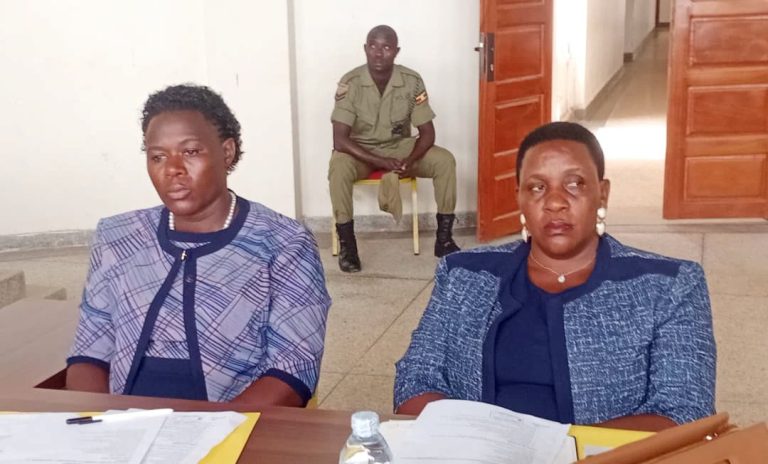
Dorcus Twinabaitu, the City HIV Focal Person, confirmed that the data shows 42 children aged 0–14 years were infected, while youth aged 15–24 accounted for 448 cases.
She said that the highest numbers were recorded in the adult bracket, with 883 new infections among individuals aged 25–39, and a further 305 cases reported among those aged 40 and above.
During a stopover at TASO Mbarara, the Centre Program Manager, Wilber Tusiimire, highlighted the role of various community support groups in ensuring that patients not only access treatment but also receive the necessary psychosocial support to maintain adherence to their medication.
At Mbarara Regional Referral Hospital, the team was received by Dr. Winnie Muyindike, Head of the Immune Suppressive Syndrome (ISS) Clinic, who provided a detailed briefing on ongoing programs and the challenges faced at the facility level.
Dr. Nelson Musoba, the Director General of the Uganda AIDS Commission, explained that the oversight visit served as a direct follow-up to the recent National HIV Symposium held in Mbarara.
He noted that the symposium highlighted a worrying prevalence of the virus across the region, with Mbarara City topping the list with a prevalence rate of 9.6 percent, a figure that stands in stark contrast to the national average of 4.9 percent.
As of 2024, approximately 1.5 million people in Uganda are living with HIV/AIDS, with a prevalence rate of around 5 percent among adults aged 15–49.
Women are disproportionately affected, making up about 930,000 of the total number of people living with HIV, while men account for around 570,000.
The epidemic is also more prevalent in urban areas and among certain age groups, particularly young women and adolescent girls.
South Buganda now has the highest HIV prevalence in the region at 7.5 percent, while the oil-rich Bunyoro sub-region is a major concern, with rates reaching 9.6 percent in Hoima City due to an influx of workers and transactional sex.
The epidemic is becoming increasingly feminized, with women and girls accounting for 930,000 infections and young women nearly four times more likely to contract HIV than their male peers.
Additionally, 4,700 children were born with HIV in 2024 due to persistent gaps in preventing mother-to-child transmission.
About the Author