KAMPALA, UGANDA – The Ministry of Water and Environment has advised communities in flood-prone areas to relocate to safer places, following this year’s wet seasonal climate outlook for the March to May period.
Thank you for reading this post, don't forget to subscribe!The advisory is based on the March to May 2024 Seasonal Climate Outlook, issued by the Ministry’s Department of Meteorological Services (DMS) on February 27, 2026.
According to the report, most parts of Uganda will receive near-normal rainfall during the period, with some areas expecting above-normal rains, while temperatures across the country are likely to be warmer than usual.
The forecasts indicate that the southwestern part of the country, including Kabale, Mbarara, and Kasese, has already started receiving showers, with rains expected to peak between early and late April.
The rains are expected to stop around late May, while mid-western areas including Hoima and Masindi will see rains fully established by early March, peaking from mid to late April.
In the Central Region and Lake Victoria Basin, most parts are already experiencing showers and thunderstorms, with the peak period expected between mid and late April, ending around late May.
Meanwhile, in the Eastern Region, places including Jinja, Mbale, and Tororo are experiencing intermittent rains that will become fully established by early March, with peak rainfall expected from mid-April to early May. The rains are expected to continue until early June.
The ministry has warned that heavy rains may cause flash floods in low-lying areas and landslides in mountainous regions like Elgon, Kigezi, and Rwenzori, advising people living in flood-prone areas to relocate to safer places.
Communities have been urged to construct drainage channels around their homes to direct water away, and to avoid sheltering under tall trees during rains because of the risk of lightning strikes.
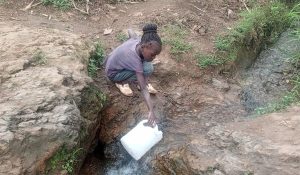
The ministry also warned that more rain could lead to outbreaks of malaria and cholera, thus urging people to sleep under treated mosquito nets, boil drinking water, and clear drainage channels around their homes.
While the rains will increase water for crops, farmers are advised to watch out for waterlogging in low areas and prepare drainage channels in their gardens to protect crops from excess water and prevent pests and fungal infections.
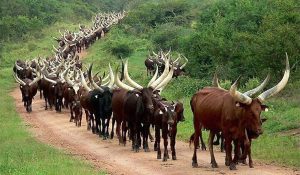
The ministry further urged livestock keepers to vaccinate their animals against diseases like foot and mouth, install lightning arrestors, and move animals from flood-prone areas to safer ground, noting that water sources will be replenished and pasture will grow well.
Fishermen were advised to use life jackets, avoid night travel on lakes, raise pond dykes to take advantage of more water, and report any sudden growth of water weeds to local authorities.
Beekeepers were also encouraged to place hives under tree canopies and secure them firmly with stands and ropes to protect against strong winds, as more flowers will bring higher honey yields.
The Ministry of Water and Environment has encouraged the energy sector to maximize power production and reinforce infrastructure against possible flooding and damage to power lines, while assuring the public that it will continue monitoring the weather and issuing updates.