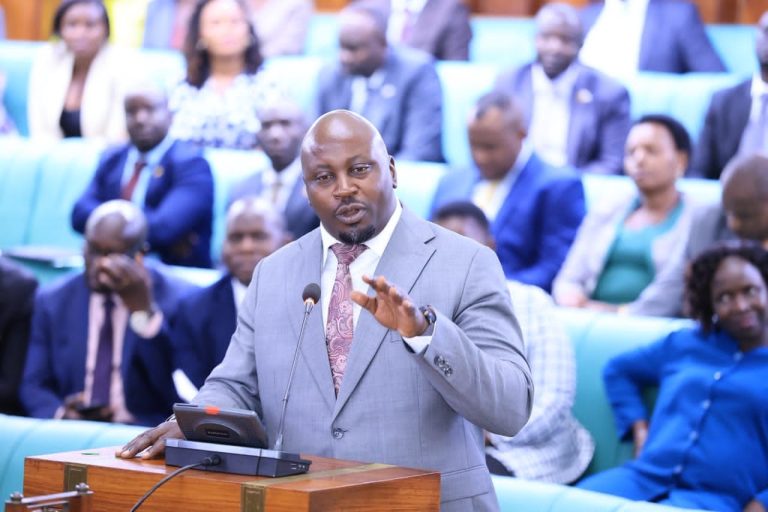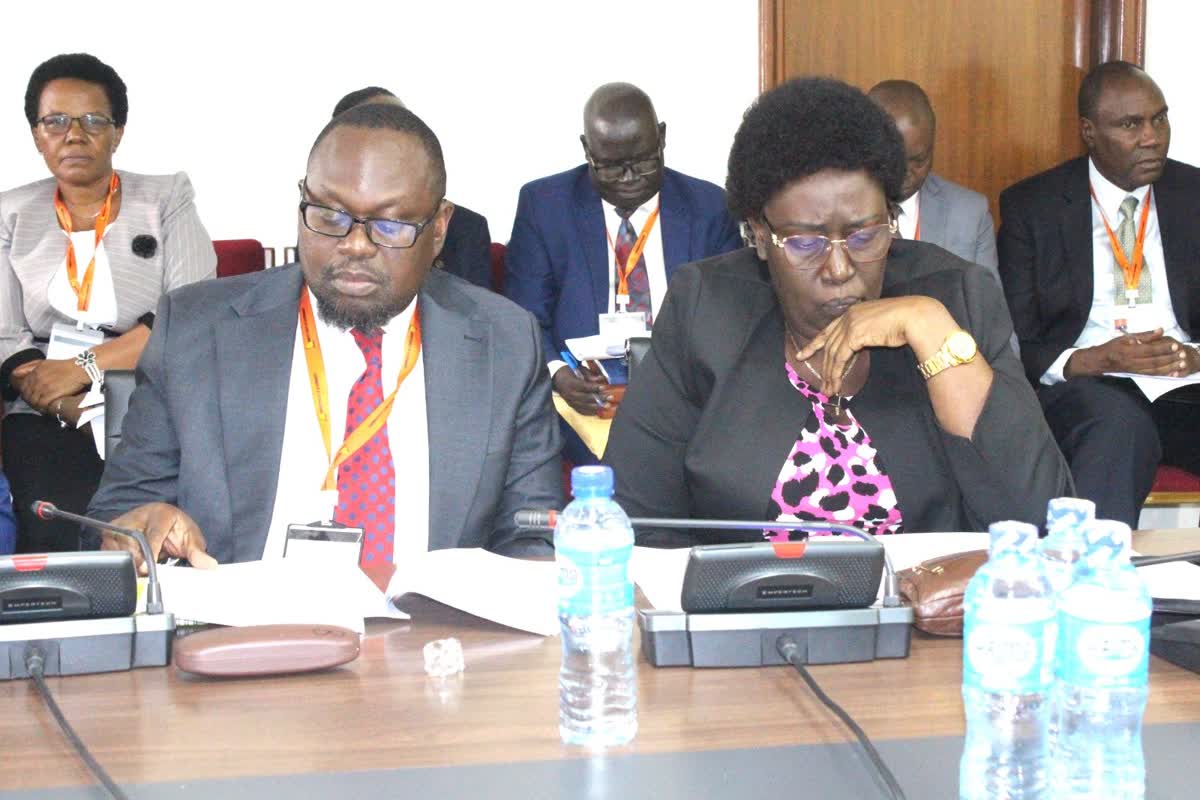
KAMPALA – The Inspectorate of Government (IG) has charged Members of Parliament to step up as frontline champions in the relentless national crusade against corruption and maladministration.
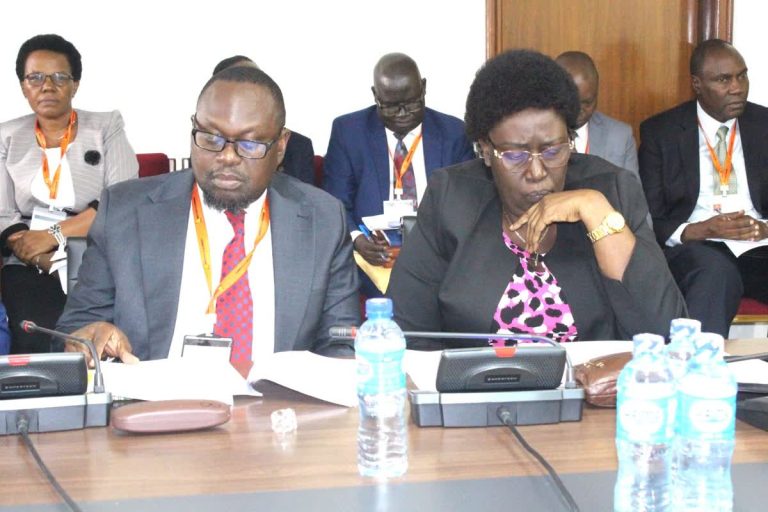
Thank you for reading this post, don't forget to subscribe!The call was issued by the Deputy Inspector General of Government (DIGG), Mrs. Anne Twino Muhairwe, during a high-level engagement with the Parliamentary Legal and Parliamentary Affairs Committee at Parliament.
Deputy IGG Muhairwe painted a stark picture of Uganda’s anti-corruption battle, revealing that deeply entrenched societal norms have crippled progress by breeding silence among citizens.
She noted that a troubling culture now glorifies the corrupt and discourages reporting, while urging legislators to leverage their immense influence in reversing this dangerous mindset.
“It is a very big challenge because some people now glorify the corrupt while others are discouraged from reporting corruption. However, you can help us change this mindset because you have a great deal of influence,” Anne stated.
Responding to queries on Minister Balaam Barugahara’s recent interdiction of local government officials, the Deputy IGG praised the proactive stance as a timely intervention against growing impunity.
Mrs. Anne Muhairwe further warned, however, that hasty actions could lead to expensive civil suits, urging that strengthening institutional systems offers a more sustainable solution.
She further clarified that ministers do not directly interdict but work through Permanent Secretaries and Chief Administrative Officers under the Public Service Standing Orders.
“The Minister acted at the right time to stop impunity. However, we must be careful not to rush, as quick decisions may result in costly lawsuits. Building stronger local government systems is the better long-term solution. Also, ministers do not interdict officials; that is done by Permanent Secretaries and CAOs,” noted Anne Muhairwe.
When asked why the Inspectorate does not act with similar speed, the Deputy IGG defended the institution’s commitment to the rule of law, insisting that investigations must be thorough, evidence-based, and procedurally sound.
She explained that as custodians of natural justice, the IGG must uphold the right to be heard and the presumption of innocence, warning that any deviation would erode public trust and invite costly legal challenges.
“The Inspectorate of Government cannot subvert the very law it is mandated to enforce. Our investigations must be thorough, evidence-based, and procedurally sound. Any departure from the principles of natural justice would not only undermine public confidence but also expose our actions to successful civil litigation,” she asserted.
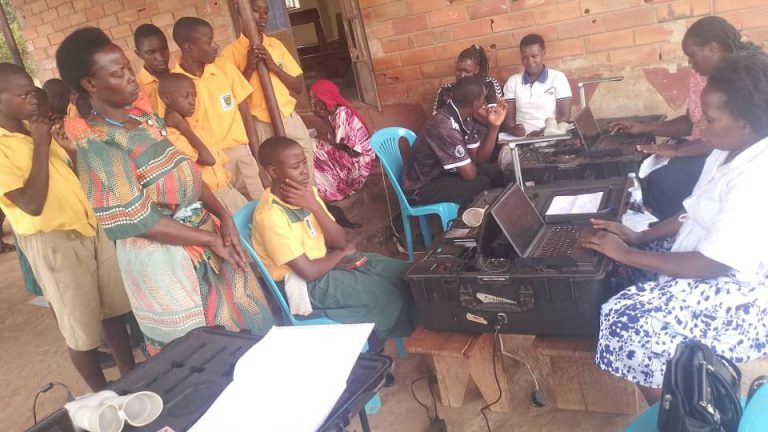
The Secretary to the Inspectorate, Mrs. Rose Kafeero, informed MPs that the institution has embarked on a comprehensive digital transformation programme aimed at digitizing and automating its systems and business processes.
She noted that the initiative is aligned with the Government of Uganda’s broader digital transformation agenda and is expected to significantly enhance operational efficiency and service delivery.
“We are digitizing and automating our systems to work smarter. This programme aligns with the Government’s digital agenda and will greatly improve efficiency and how quickly we serve citizens,” remarked Rose.
The officials outlined the Inspectorate’s key priorities for the coming financial year, including intelligence-led investigations, AI-powered verification systems, and stronger asset tracing and recovery mechanisms.
They also highlighted plans to mainstream transparency, accountability, and anti-corruption across all government entities, while enhancing enforcement and compliance monitoring of IG recommendations.
About the Author