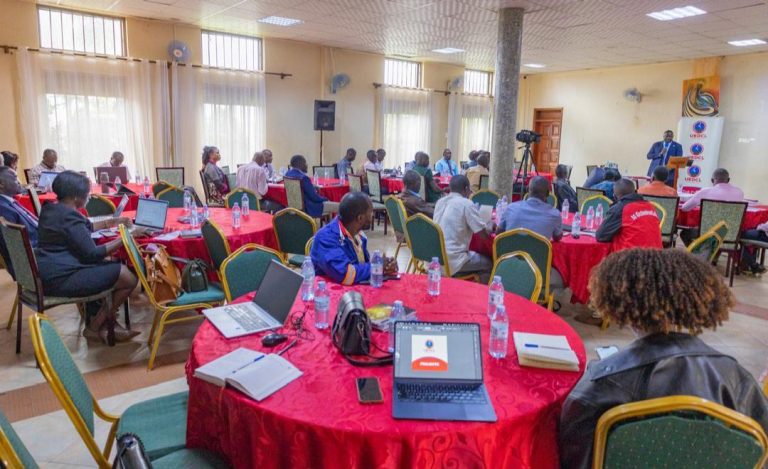
KAMPALA – The Government of Uganda has reaffirmed its enduring commitment to strengthening teacher education and professional development, positioning the teacher as the central pillar of its strategy to transform education.
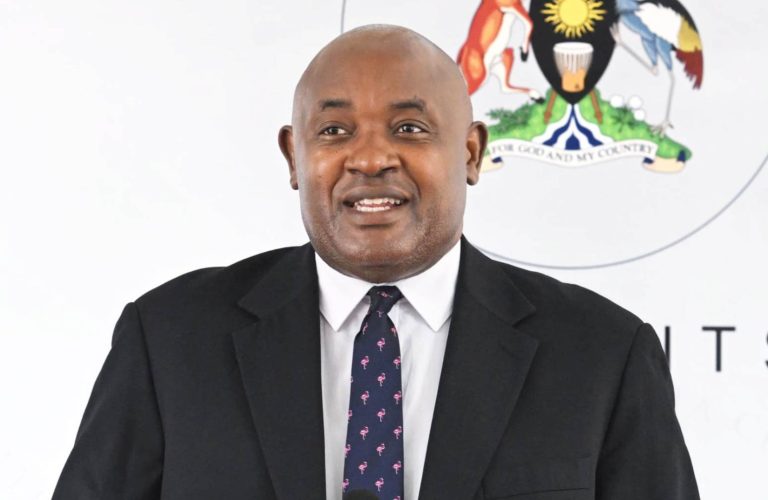
Thank you for reading this post, don't forget to subscribe!The development was unveiled by the Acting Minister of Education and Sports, Hon. John Chrysestom Muyingo, while speaking as Chief Guest at the inaugural International Teacher Education Conference (ITEC) 2026 in Kampala.
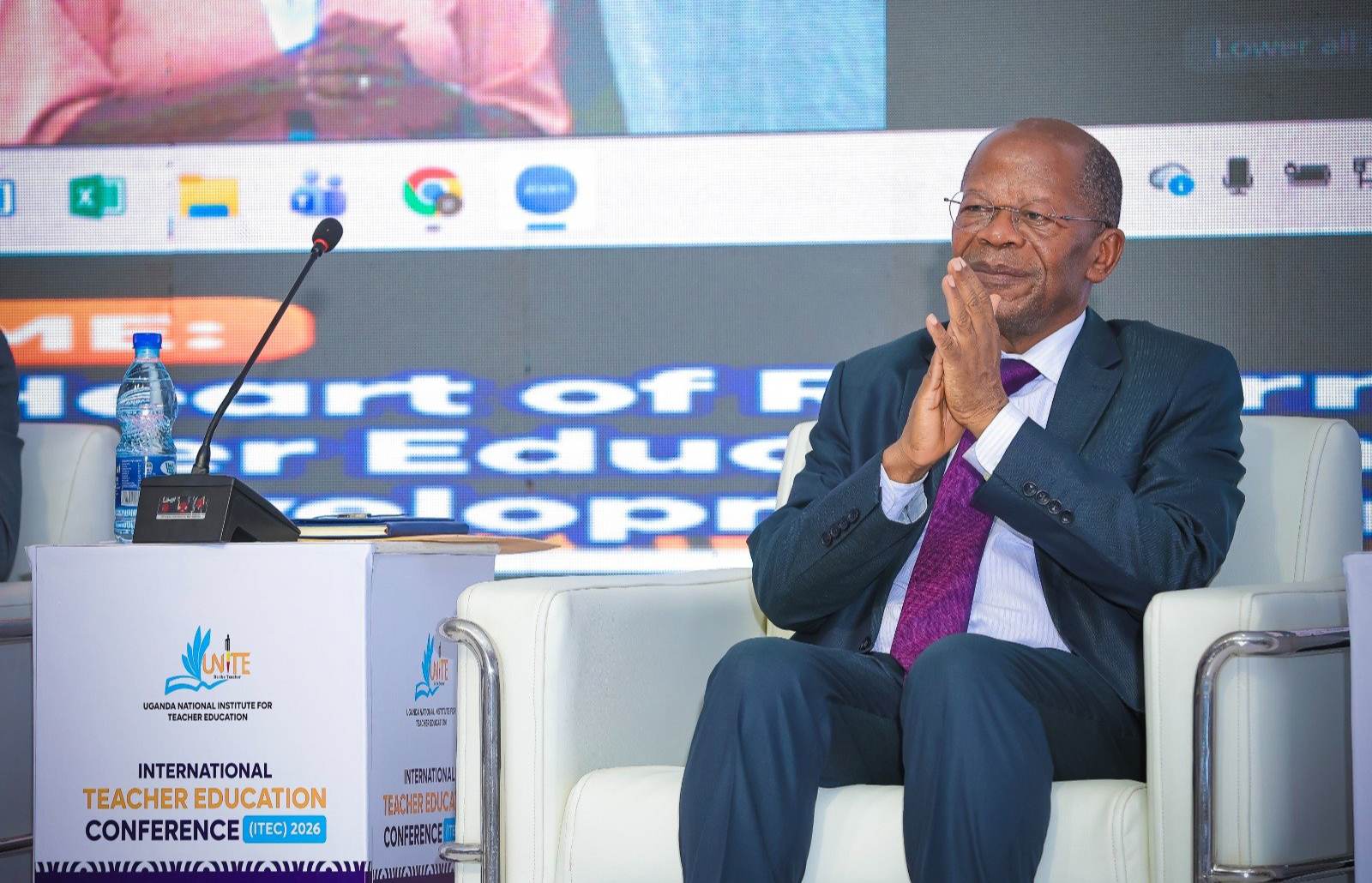
ITEC 2026, held under the theme “Teachers at the Heart of Reforms: Transforming Teacher Education for Human Capital Development in the 21st Century,” saw Muyingo outline a reform agenda aimed at preparing, supporting, and professionally developing teachers throughout their careers.
The Minister highlighted several key reforms currently being implemented by the Government, including the rationalisation of teacher training institutions, the rollout of the competence-based curriculum and the establishment of the Uganda National Institute for Teacher Education (UNITE).
He added that the Government is in the process of establishing the National Teacher Council, with both initiatives representing a deliberate and strategic effort to reposition teacher education as a cornerstone of Uganda’s human capital development agenda.
Muyingo emphasised that the reforms are long-term commitments that require sustained investment and effective implementation, stressing that policies must translate into meaningful improvements for teachers in classrooms.
“The quality of any education system cannot exceed the quality of its teachers. These reforms, from UNITE to the National Teacher Council, are long-term commitments that require sustained investment to ensure policies translate into meaningful improvements for teachers in our classrooms,” Muyingo said.
The Minister called for stronger collaboration between the Government, researchers, and practitioners, noting that research and experience can inform policy decisions and ensure public resources target interventions that improve education outcomes.
He acknowledged that effective policymaking requires a solid foundation of evidence, and urged stakeholders to work together in generating and utilising data that can guide the formulation and refinement of teacher education policies.
The Minister formally declared the inaugural ITEC 2026 open, urging participants to use the conference to develop practical approaches that keep teachers at the centre of Uganda’s education transformation.
He expressed optimism that the deliberations and recommendations emerging from the conference would contribute significantly to ongoing efforts to improve teacher education and, ultimately, education outcomes across the country.
The inaugural ITEC 2026 marks a significant milestone in Uganda’s efforts to elevate teacher education, serving as a platform for knowledge exchange and collaboration where participants learn from both local and international best practices.
About the Author