KAMPALA, UGANDA – The Ministry of Health has confirmed that approximately 20,000 babies in Uganda are born with Sickle Cell Disease (SCD) each year, with a tragic 9,000 of them dying, mostly before their fifth birthday.
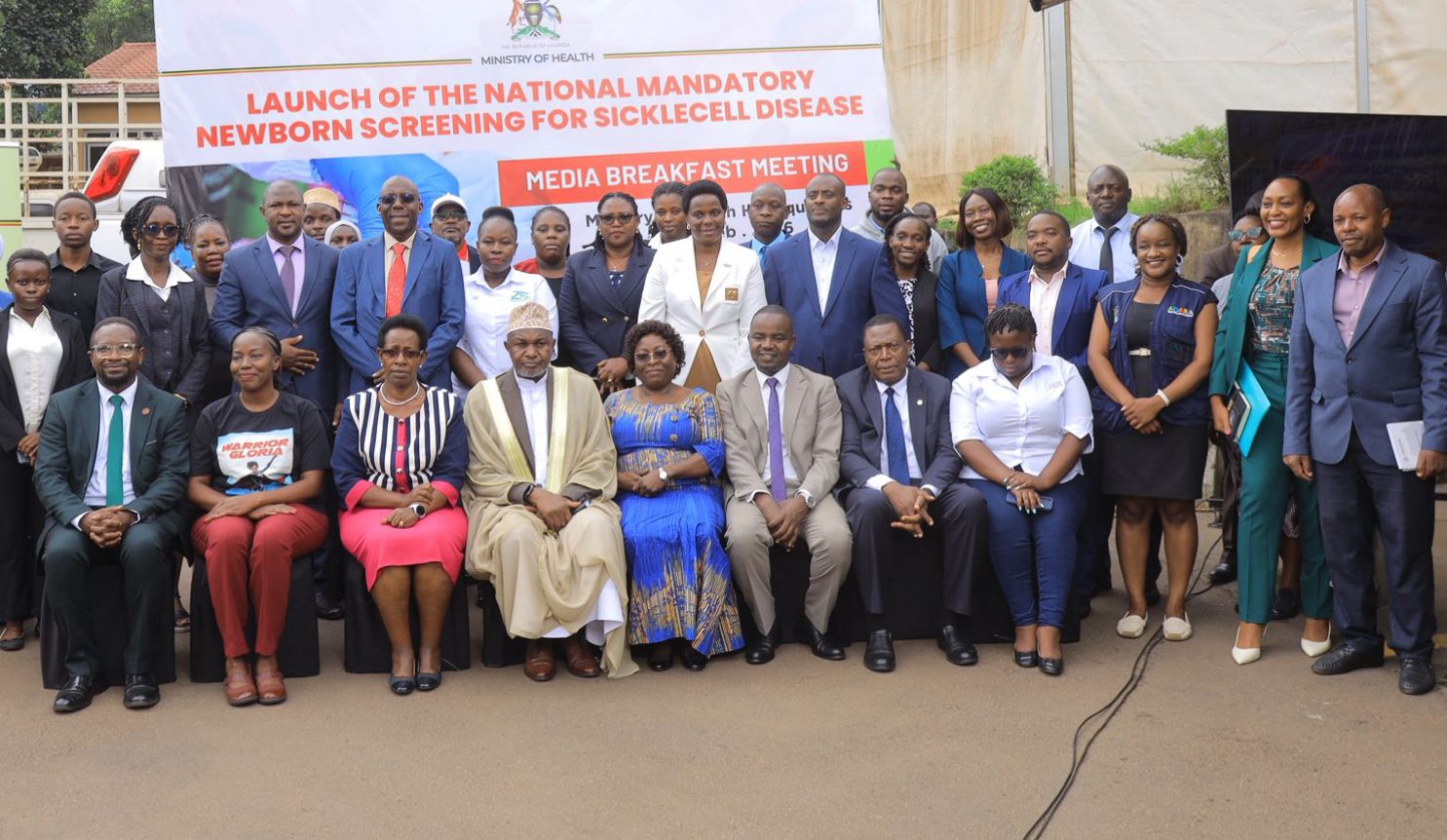
Thank you for reading this post, don't forget to subscribe!The figures were announced by the Ministry’s Permanent Secretary, Dr. Diana Atwine, at the launch of the nationwide mandatory newborn screening programme for Sickle Cell Disease at the Ministry headquarters.
Presiding over the ceremony, Dr. Atwine emphasized the policy’s life-saving potential and reaffirmed the government’s commitment to ensure test kits are readily available in all health facilities.
Driven by the theme “Every child in Uganda must have a known sickle cell status,” the event marked a proactive era aimed at curbing the disorder’s annual toll on young lives through early detection and management.
The nationwide programme is being implemented in collaboration with Baylor College of Medicine Children’s Foundation, Uganda, led by Executive Director Dr. Dithan Kiragga, to scale up comprehensive sickle cell disease management.
Dr. Atwine urged couples to undergo sickle cell screening before planning a family, advising those who are both carriers to reconsider having children together due to the profound risks and costs associated with the disease.
“We encourage couples to also take time to know their sickle cell status before planning for childbirth. If you both find that you are carriers, reconsider having children. The risk of producing a child with sickle cell disease is too great and costly,” Dr. Atwine advised.
She also announced that essential sickle cell medicines are being added to the national essential medicines list, guaranteeing nationwide treatment access.
The new programme is designed to reverse high mortality rates by enabling early infant identification for timely, life-saving interventions that prevent complications and organ damage.
The policy represents not just a clinical milestone, but a commitment to health equity, ensuring every newborn, regardless of location, has the right to a healthy start in life.
The Ministry has committed to enhancing training for healthcare professionals and establishing a more robust supply chain for screening kits in health facilities nationwide.
About the Author